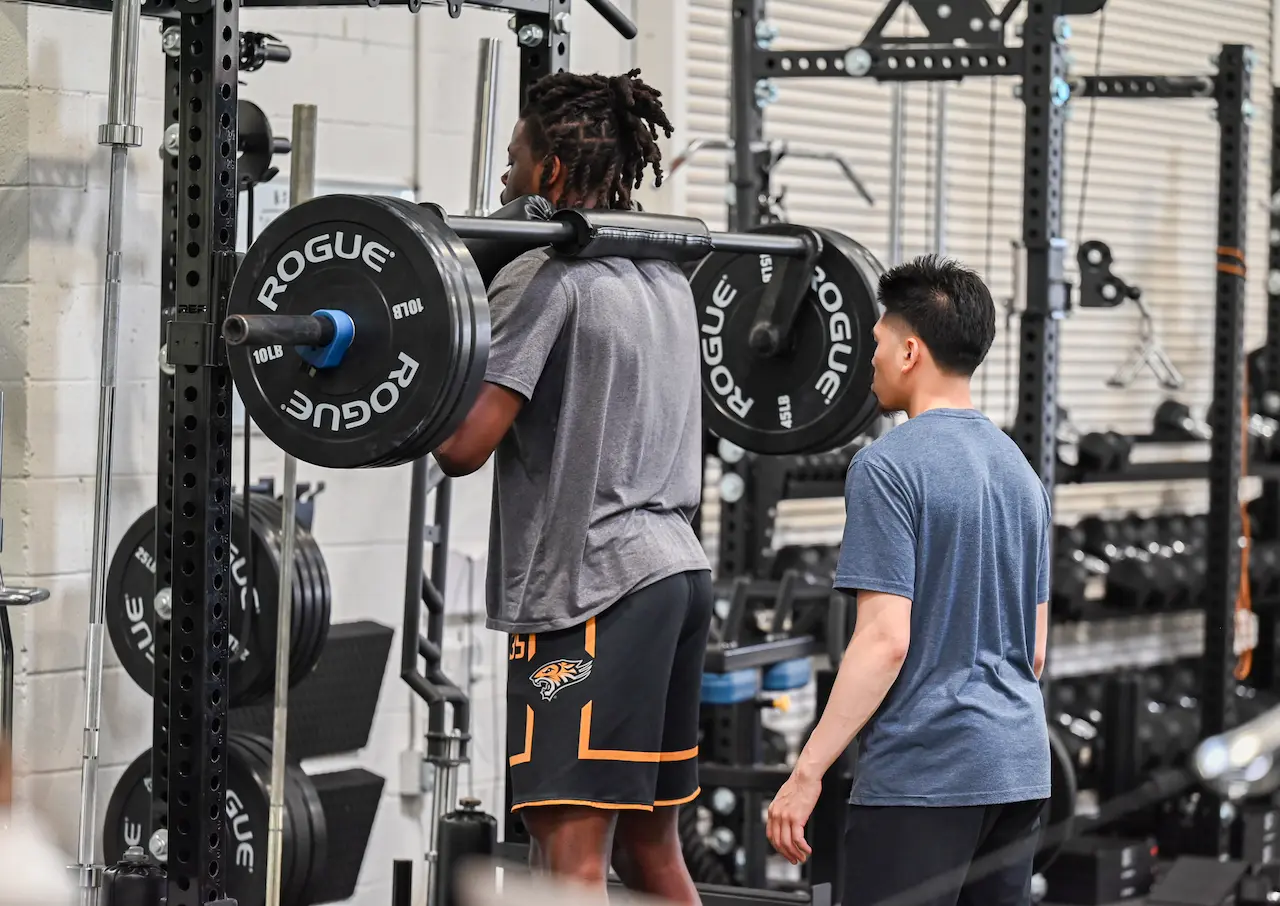
Protein is one of the most talked-about nutrients in sport, and one of the most misunderstood. Some athletes barely get enough. Most get a decent amount overall but eat almost all of it at dinner.
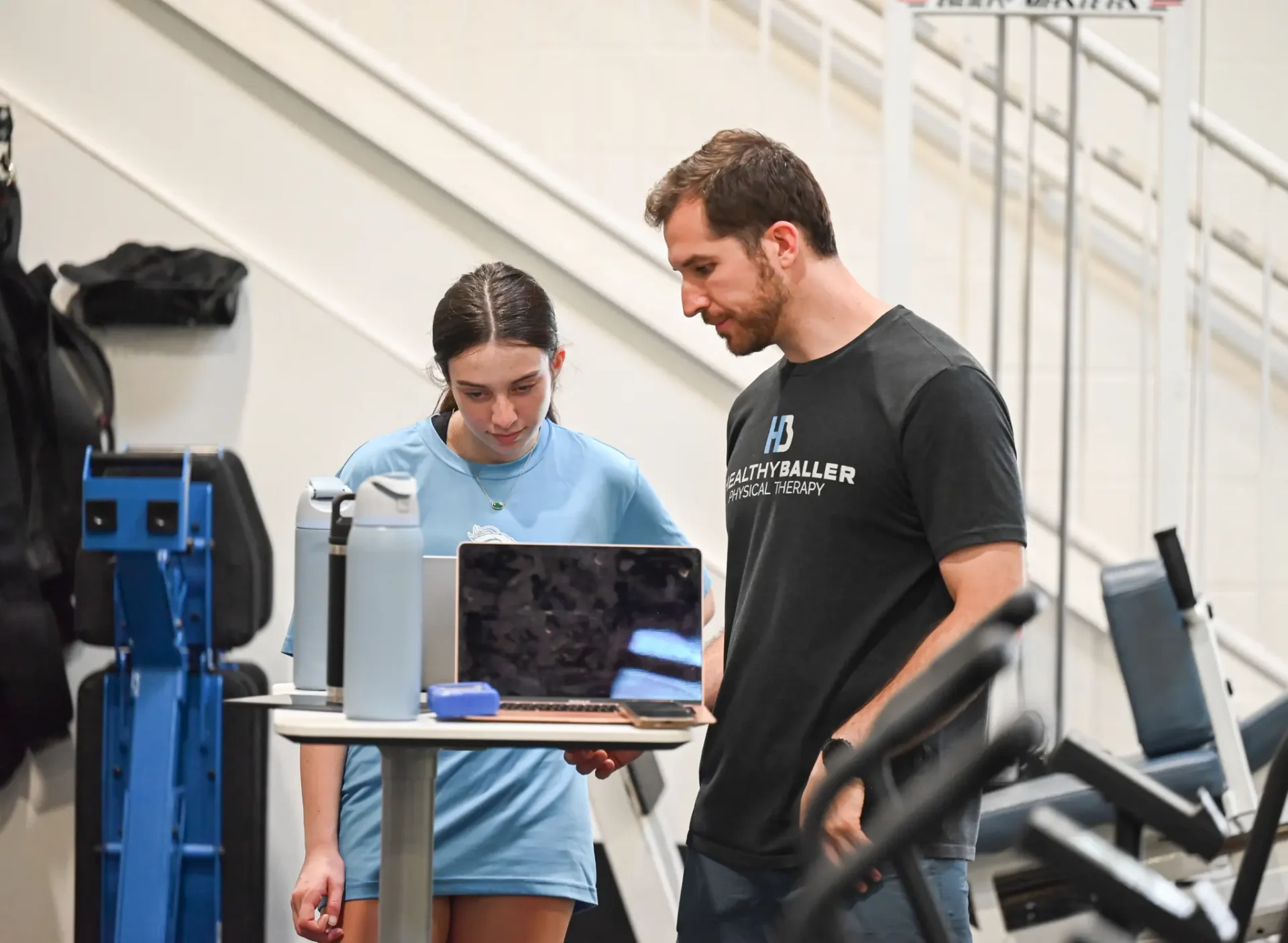
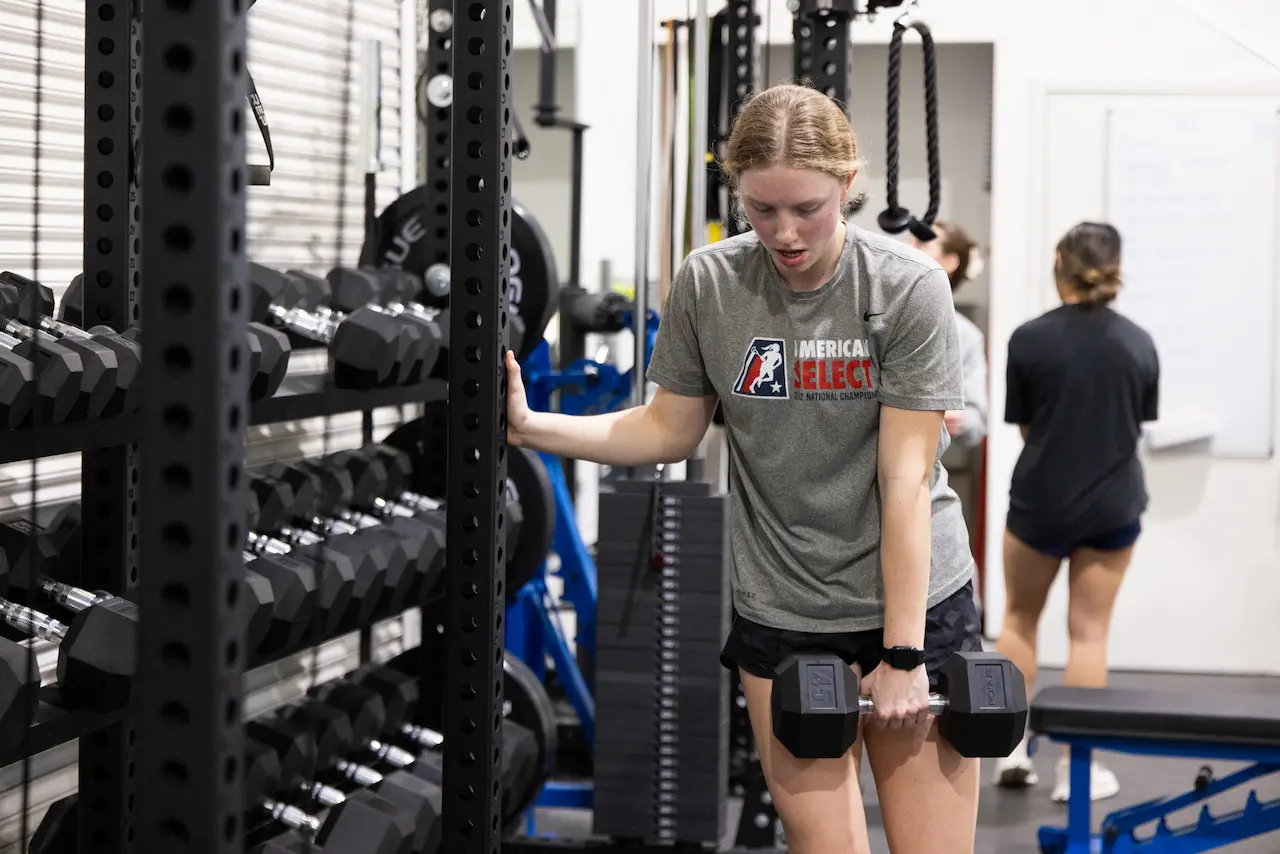
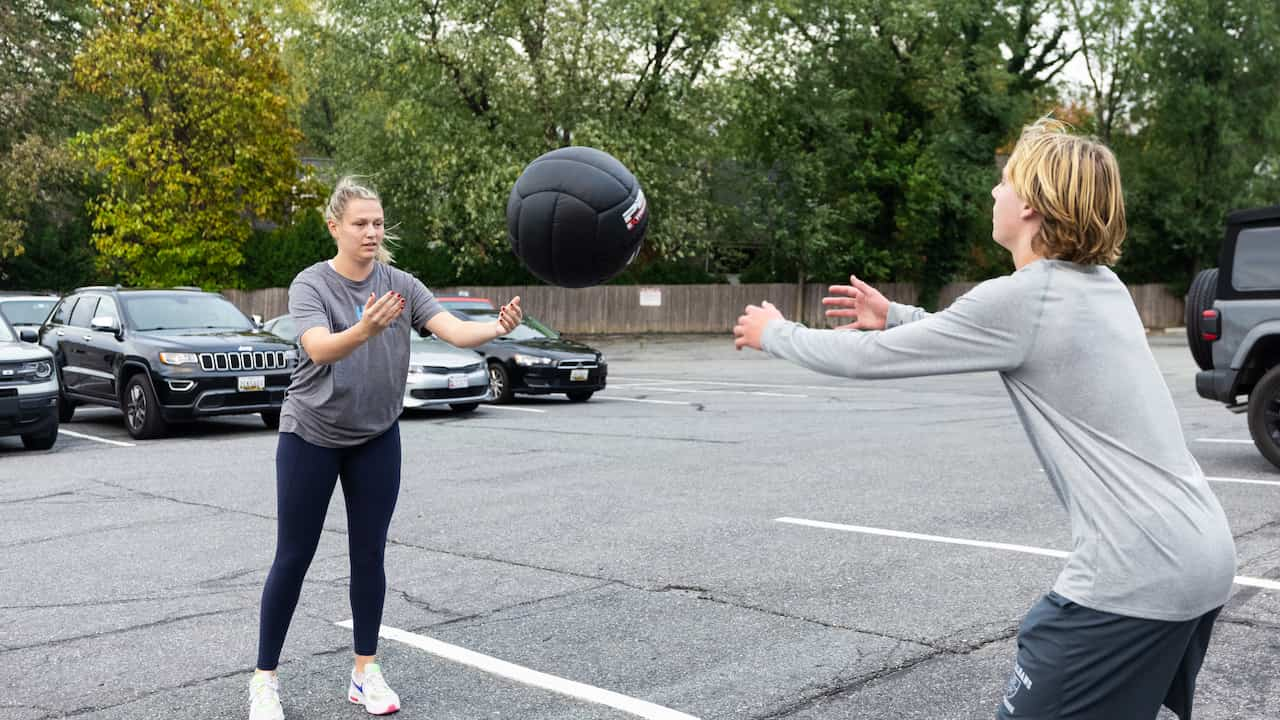
At Healthy Baller, our coaches work with athletes of every age and level across DC, Maryland, and Virginia. Many competed at a high level themselves, and they’ll tell you the same thing: you can’t out-train a poor recovery plan, and protein is the base that plan is built on.
Here’s what the research says about how much you need, when to eat it, and how to hit your target.
Why Protein Matters More for Athletes
Every hard training session causes small amounts of damage to muscle tissue. Protein supplies the amino acids the body uses to repair that tissue and build it back stronger. This process is called muscle protein synthesis, and it’s how training actually turns into results. Amino acids are the building blocks to muscle.
The current Recommended Dietary Allowance (RDA) is 0.8 grams of protein per kilogram of body weight. But the RDA was set to prevent deficiency in the general population. It wasn’t designed for athletes trying to recover, adapt, and perform. The joint position statement from the Academy of Nutrition and Dietetics, Dietitians of Canada, and the American College of Sports Medicine recommends 1.2 to 2.0 g/kg per day for athletes, or roughly 0.55 to 0.9 grams per pound. The International Society of Sports Nutrition puts the range for most exercising people at 1.4 to 2.0 g/kg per day (about 0.65 to 0.9 g/lb).
How Much Protein Do You Actually Need?
One of the strongest pieces of evidence comes from a 2018 meta-analysis in the British Journal of Sports Medicine that pooled 49 studies and more than 1,800 participants. It found that the benefits of protein for strength-training gains leveled off at around 1.6 g/kg per day (about 0.7 g per pound), with some people still benefiting up to about 2.2 g/kg (roughly 1 g per pound).
In practical terms, a 150-pound (68 kg) athlete in a serious training block should aim for roughly 110 to 135 grams of protein a day. That’s more than most people realize, but very achievable with real, nutritious food.
Timing and Distribution: The Overlooked Variable
Total daily protein intake matters most, but how you spread it across the day also makes a difference. Most American diets save the bulk of the day’s protein for dinner.
A study published in the Journal of Nutrition compared two groups eating the same total of 90 grams of protein a day. One group spread it evenly across three meals (about 30 g each). The other ate most of it at dinner. The evenly distributed pattern produced about 25% higher muscle protein synthesis over 24 hours.
The International Society of Sports Nutrition recommends 20 to 40 grams of protein per meal (about 0.25 g/kg, or 0.11 g per pound), every three to four hours. For a busy student athlete, that translates into a simple rule: every meal and snack should have a clear protein source in it.
What about the old idea that your body can only “use” 30 grams at a time? A 2023 study in Cell Reports Medicine found that a 100-gram post-exercise dose produced a larger anabolic response than 25 grams, lasting more than 12 hours. Large meals aren’t wasted, but regular protein-rich meals remain the most practical strategy.
Don’t Forget the Overnight Window
Sleep is when much of the body’s repair work happens, but it’s also the longest stretch most athletes go without eating. Research from Maastricht University found that young men who drank 40 grams of casein protein before bed after an evening training session saw muscle protein synthesis rates overnight that were roughly 22% higher than those who had a placebo. Casein is the slow-digesting protein found in dairy.
You don’t need a specialty product to do this. Greek yogurt, cottage cheese, or a glass of milk before bed is an easy, affordable way to put the overnight hours to work.
Practical Ways to Get More Protein
Hitting your protein target is about habits, not willpower. These are some of the strategies our coaches recommend:
- Fix breakfast first. This is where most athletes fall short. Swapping cereal or a bagel for eggs, Greek yogurt with fruit and granola, or overnight oats made with milk can add 20 to 30 grams before school or work.
- Anchor every meal with protein. Chicken, turkey, fish, lean beef, eggs, tofu, tempeh, or beans should be the center of the plate, not an afterthought.
- Upgrade your snacks. String cheese, beef or turkey jerky, hard-boiled eggs, edamame beans, cottage cheese, and roasted chickpeas travel well in a backpack or sports bag.
- Use chocolate milk after training. It’s inexpensive, provides both carbohydrates and protein, and holds up well as a recovery drink in sports nutrition research.
- Plan more carefully if you’re plant-based. Plant proteins tend to contain less leucine, the amino acid that “switches on” muscle protein synthesis. Combining sources (beans with rice, or tofu with whole grains) and aiming for slightly larger portions helps close the gap.
What About Protein Supplements?
Protein powders are convenient after training or on travel days, but they should support a food-first approach, not replace it.
The supplement industry is lightly regulated, and contamination is a real risk, especially for athletes subject to drug testing. The U.S. Anti-Doping Agency recommends third-party-tested products, such as those carrying the NSF Certified for Sport label.
Protein Needs Change Across Every Age and Stage
Young athletes need enough protein to support both growth and training, and for them, consistency and real food matter far more than powders.
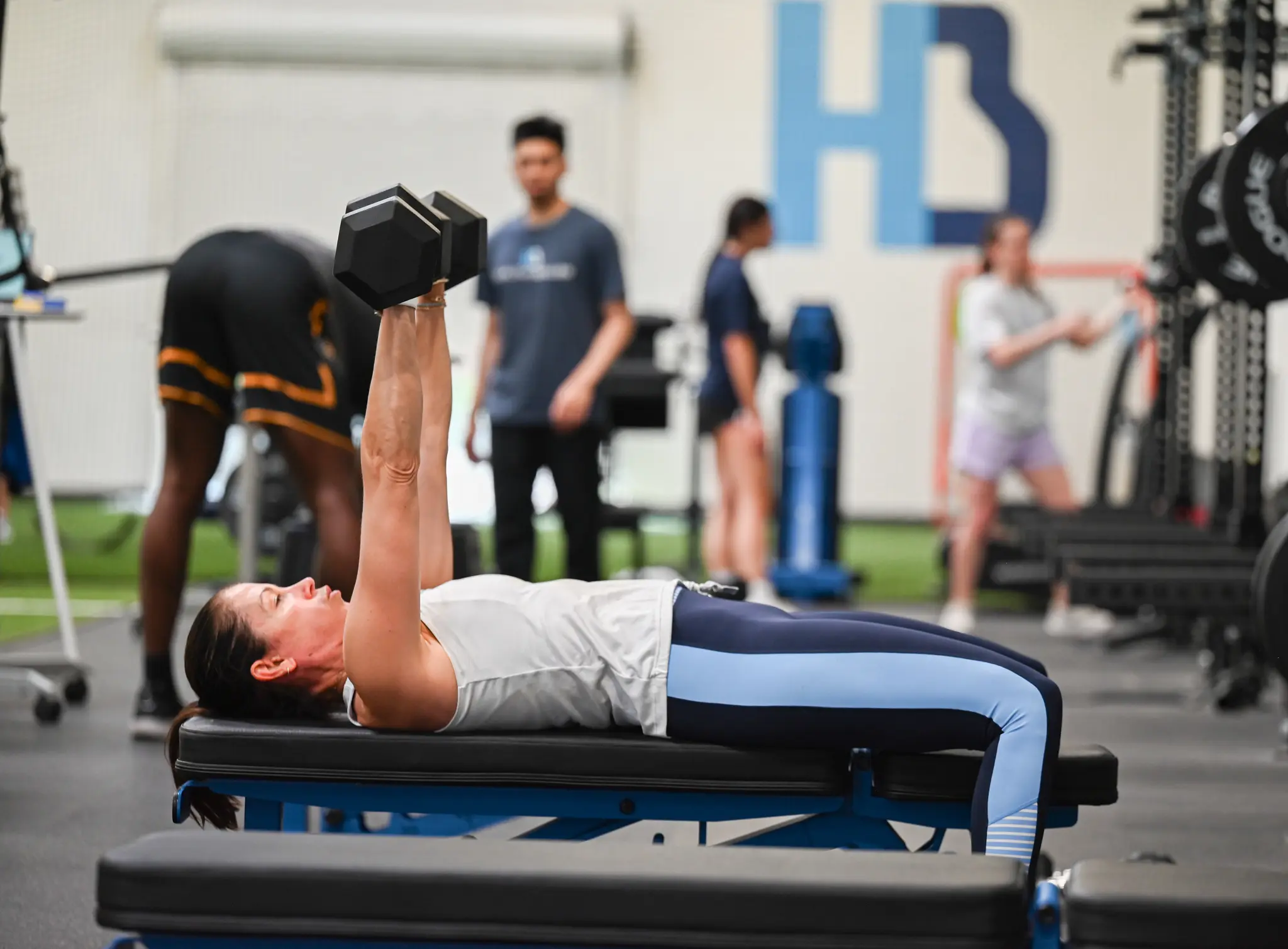
For adult and competitive athletes, protein becomes even more important, because aging muscle becomes less responsive to it (“anabolic resistance”). The PROT-AGE Study Group recommends at least 1.0 to 1.2 g/kg per day (about 0.45 to 0.55 g per pound) for healthy older adults, and more for those who are active or training. That’s one reason protein is a core part of how we approach adult performance training and mobility. It’s also critical when you’re returning to training after a long break and rebuilding lost muscle.
Individual needs also vary with sport, goals and health history. As we explored in our post on why meeting with a registered dietitian can improve performance and recovery, personalized guidance turns general recommendations into a plan that fits your body, your schedule and your goals.
Train Hard, Fuel Smarter
Protein won’t do the work for you, but it decides how much you get out of the work you put in. Getting enough protein, spreading it across the day, and protecting the overnight window are simple habits that compound over a season.
At Healthy Baller, our coaches take a complete approach to performance, because how you train and how you fuel and recover are part of the same plan. With private, semi-private, and group training sessions across our Alexandria, Fairfax, Reston, Rockville, and DC locations, we help athletes of every age train smarter, recover faster and perform at their best.
Reach Out Today
Ready to take your training, and your recovery, to the next level? Stop by one of our DC, Maryland, or Virginia training centers or reach out to our team to get started.