For many families exploring performance training or sport-specific development, such as private lacrosse training, the question of whether to choose private or semi-private sessions is an important one.
The truth is, both private and semi-private training can deliver excellent outcomes. The key is understanding the differences, the benefits, and how each fits your athlete’s goals, personality, and current stage of development.
Built on Experience. Backed by Results.
At Healthy Baller, we’ve worked with athletes from elementary through high school, college and adulthood across all levels and positions. Our team of expert coaches, many of whom come from high-pressure athletic backgrounds and bring decades of hands-on experience, have seen firsthand how tailored coaching environments support better technique, greater confidence, and faster progress.
In this blog, we’ll break down the pros and cons of private and semi-private athletic training, explain when each is most appropriate, and help you decide what’s right for you.
Understanding the Options: Private vs. Semi-Private Training
When it comes to athletic development, not all training environments are the same. Private and semi-private training each offer distinct benefits, and the right choice depends on your athlete’s goals, personality, and stage of development.
Before breaking down each option, it’s important to understand how these formats differ and what they’re designed to support, so you can make an informed decision for your young athlete.
What Is Private Training?
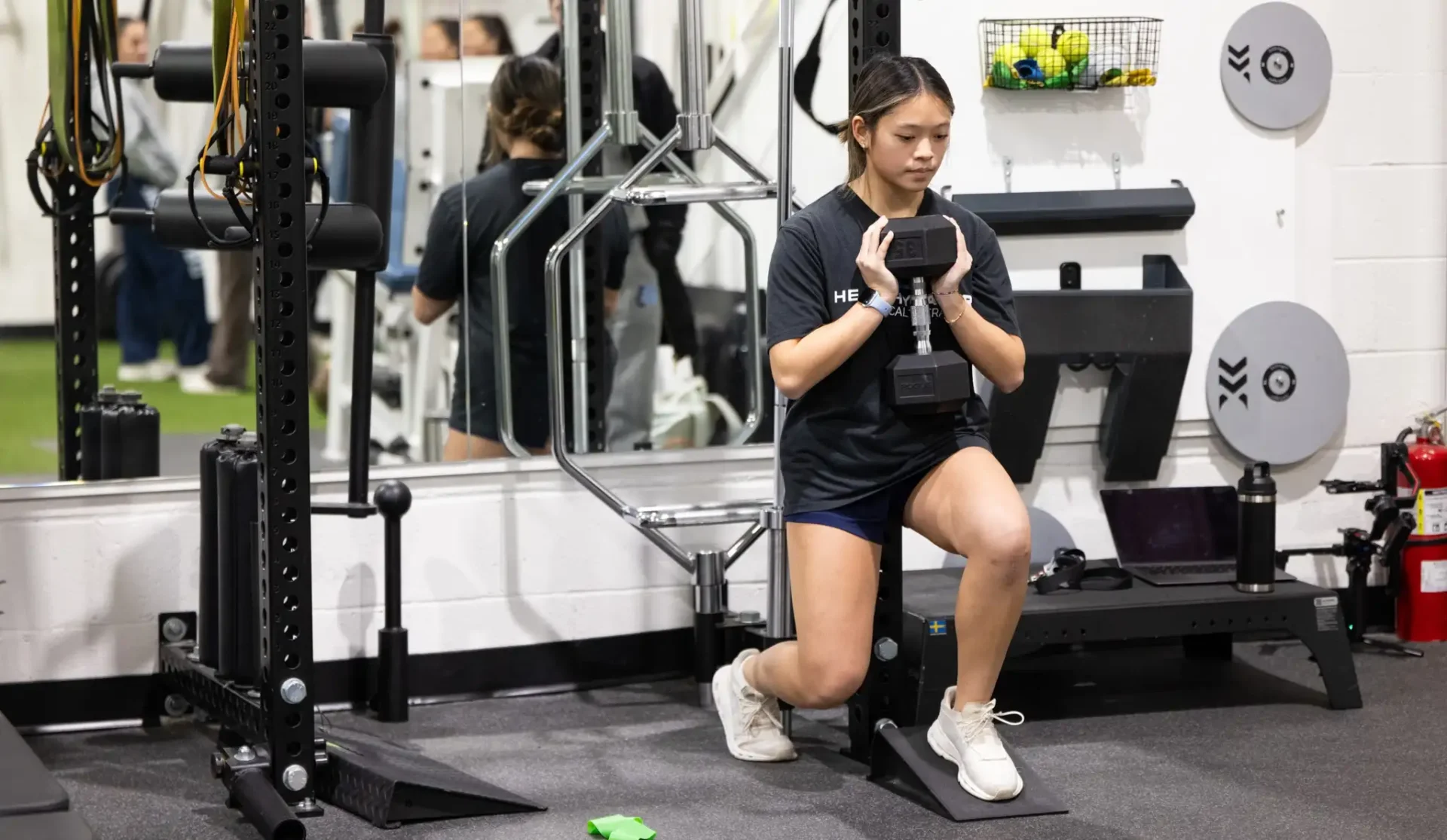
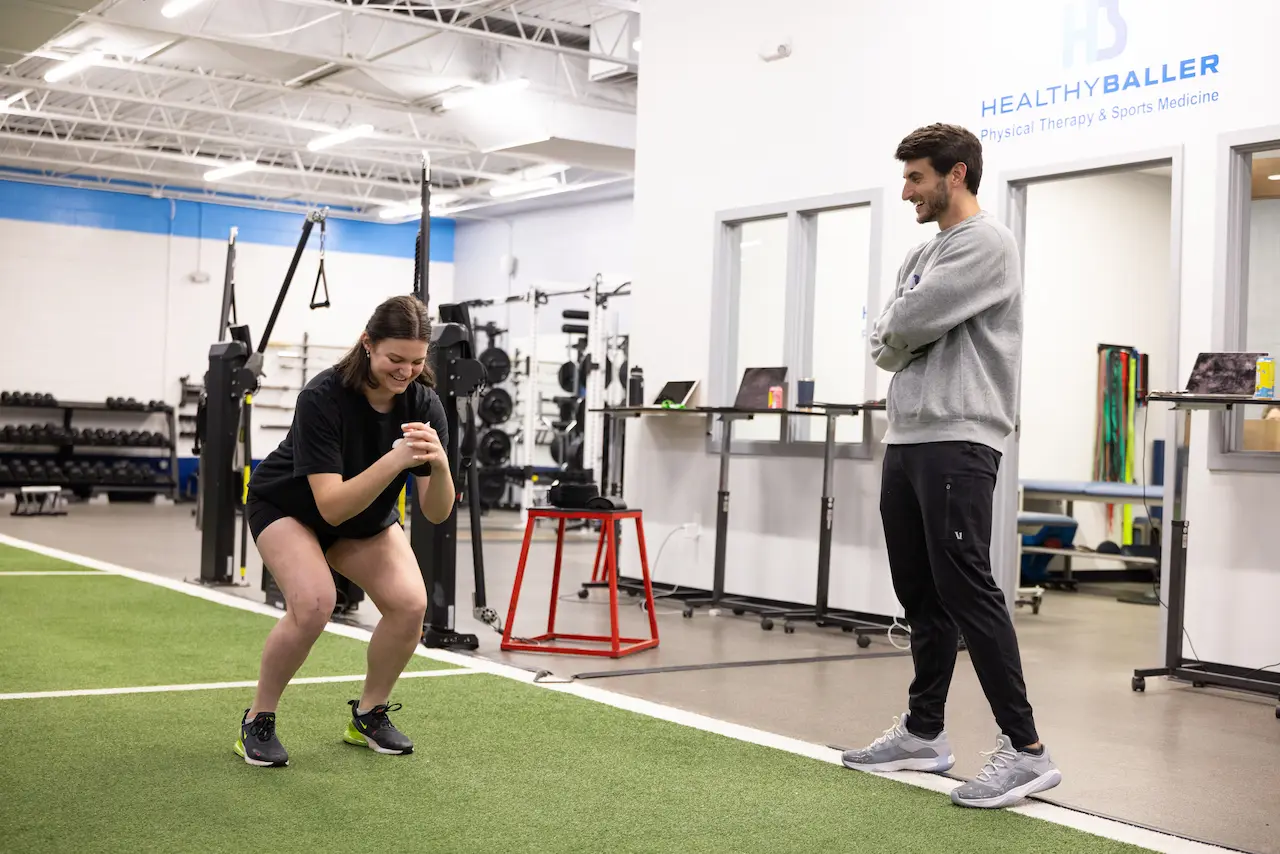
Private training (or one-one training) involves one-on-one sessions between an athlete and a coach. In this setting, every minute of the session is dedicated to an athlete’s specific goals.
When focused on private training, this means coaches can:
- Build a completely personalized program tailored to the athlete’s skill level, position, and development needs.
- Offer real-time feedback on technique, movement, and mechanics.
- Focus on individual weaknesses or areas requiring extra attention, such as stick skills or agility.
- Adjust training based on progress, fatigue, or upcoming competition schedules.
Private Training is Ideal When the Athlete:
- Has specific performance goals (e.g., earning a varsity spot, college recruitment)
- Is returning from an injury
- Needs focused technical correction (e.g., mechanics, alignment, strength imbalances)
- Is transitioning between developmental stages and needs support refining form before adding complexity
What Is Semi-Private Training?
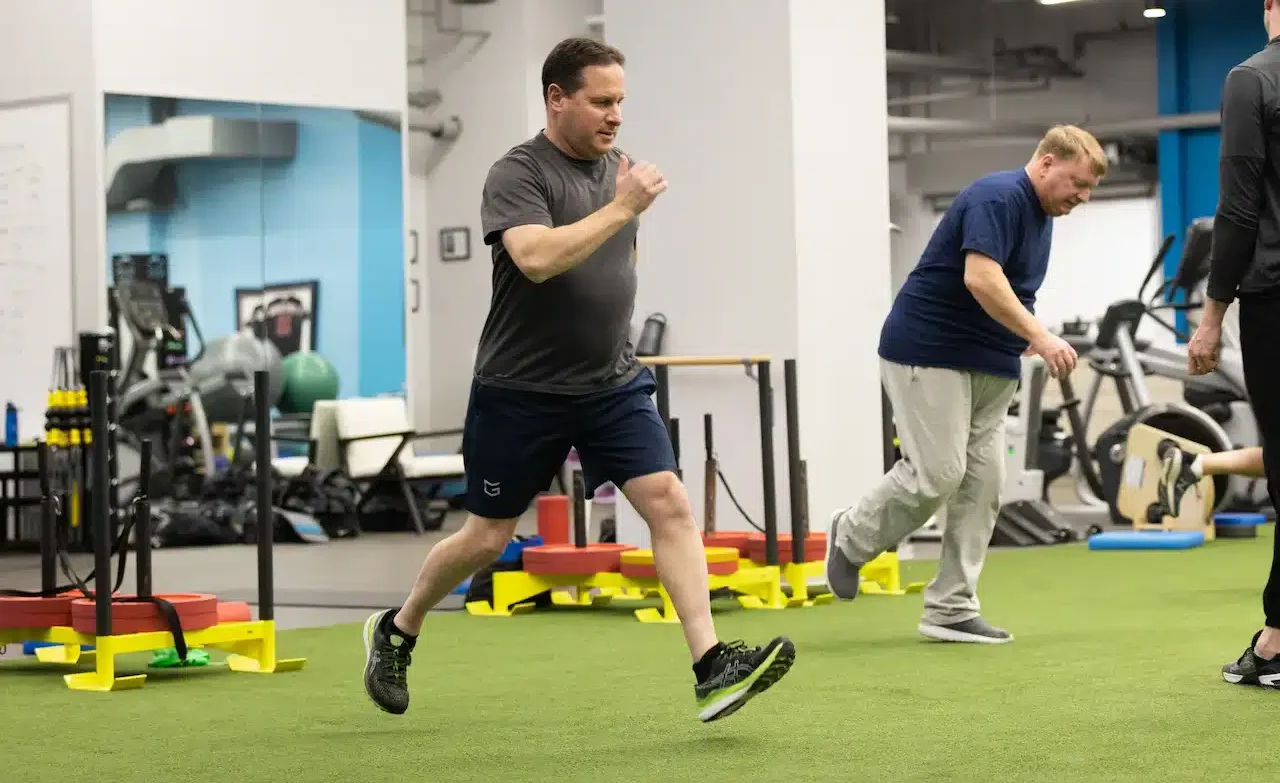
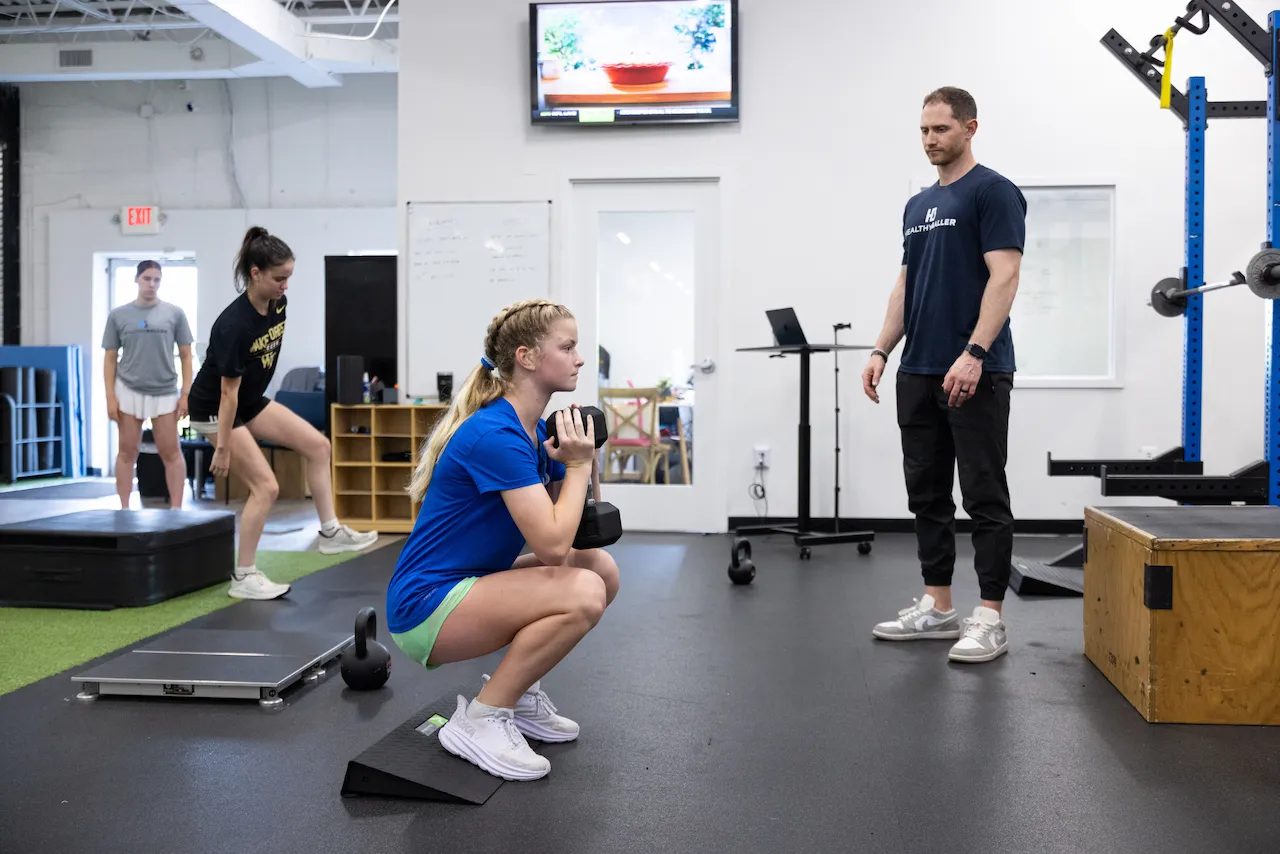
Semi-private training involves small groups of athletes (2–4) training together under the supervision of a coach.
This model blends individualized coaching with group dynamics. Coaches still provide guidance, but athletes also benefit from:
- Motivation and support from peers
- Friendly competition that promotes effort and consistency
- Shared pacing and energy, which can elevate overall performance
- A community atmosphere that makes training more enjoyable
Semi-private sessions tend to be more cost-effective than private training, while still offering personalized direction.
Why Personalized Coaching Matters for Athletes
Whether private or semi-private, effective training shares common traits: individualization, progressive overload, quality coaching feedback, and confidence building.
At Healthy Baller, our entire philosophy centers on these principles. We treat each athlete’s development as unique, because no two athletes are alike.
1. Better Technique, Better Outcomes
In both private and semi-private environments, coaches can focus on technique – not just volume. Studies on athletic training emphasize that small group or individual coaching reduces the risk of reinforcing poor movement patterns, which can lead to injuries and stalled progress.
2. More Meaningful Feedback
A large group training environment makes it harder for athletes to receive detailed, timely corrections. While coaches can offer general cues in group classes, one-on-one or semi-private settings maximize opportunities for instant feedback. Furthermore, research on small-group sessions highlights that more touch points with a coach lead to better movement reinforcement and faster skill acquisition.
3. Confidence and Accountability
Athletes thrive when they feel seen and supported. In private training, a coach becomes a mentor and guide. In semi-private sessions, athletes also benefit from peer support and shared progress milestones, which often increases ownership and accountability for their training.
When Private Training Is the Best Fit
Families often choose private training programs, or other private athletic coaching, for the following reasons:
Specific Skill Development
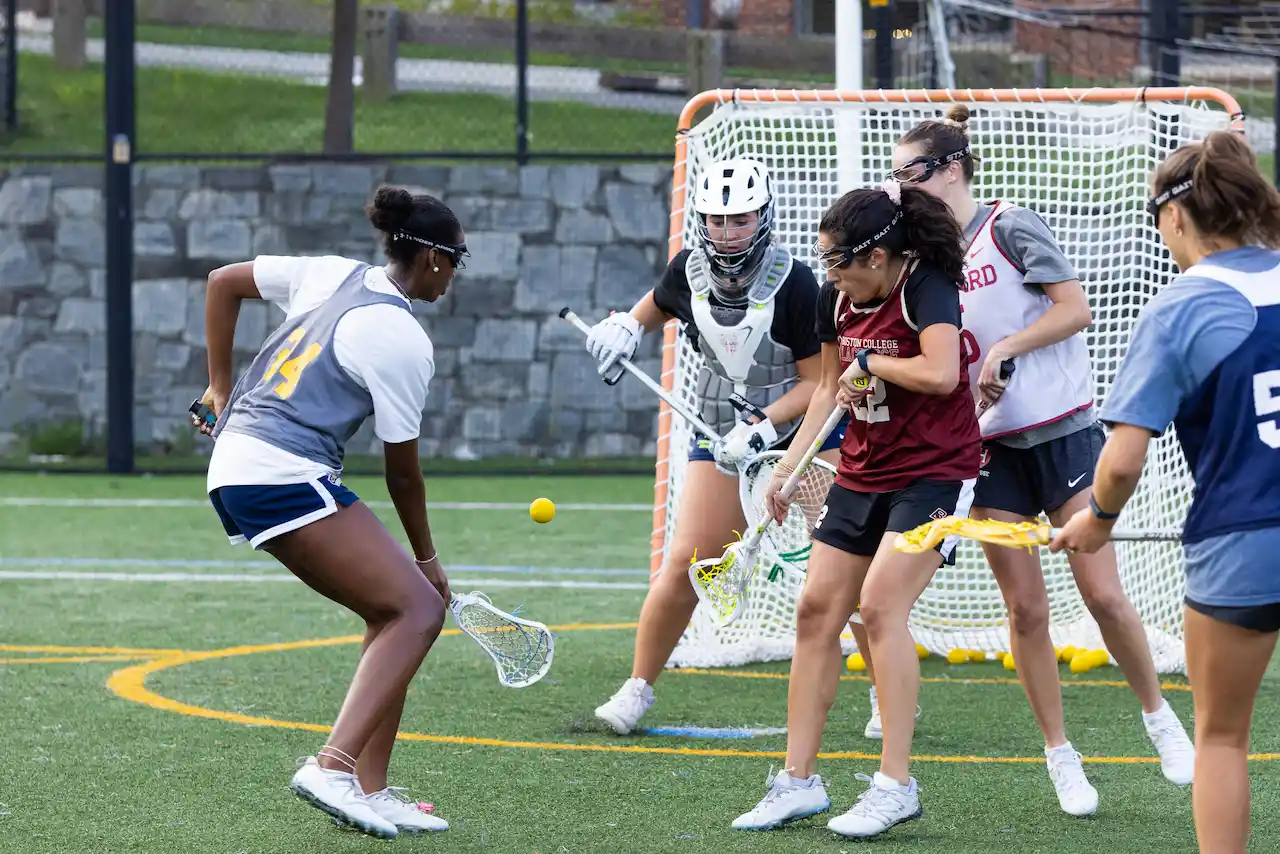
If your athlete needs focused improvement in lacrosse mechanics, such as cradling, shooting, dodging, or defensive positioning, private sessions enable a coach to zero in on these areas without distraction.
Correcting Form and Reducing Injury
If an athlete is struggling with movement errors, muscle imbalances, or injury history, private sessions allow coaches to monitor every rep and make corrections before bad habits form, which is a key factor in long-term athletic success.
Advanced or Performance-Driven Goals
Athletes aiming for collegiate programs or elite teams frequently choose private coaching, so every aspect of their training aligns with competitive objectives.
Customized Programming
When an athlete has a unique schedule, recovery needs, or is coming off an injury, private sessions allow for a tailored plan that adapts over time.
When Semi-Private Training Works Well
Semi-private training offers many of the advantages of private coaching, with unique benefits of its own.
Cost-Effective Customized Coaching
While private sessions offer maximum personalization, semi-private training provides targeted instruction at a more accessible price point. Research shows that athletes in semi-private settings still receive valuable individual feedback while benefiting from peer motivation.
Motivation Through Community
Training with other athletes creates a positive atmosphere where athletes push each other – sometimes more than they would on their own. A supportive training cohort can drive effort, accountability, and consistency.
Skill Reinforcement
In a semi-private setting, athletes often observe and learn from their peers. Real-time demonstrations, shared encouragement, and friendly intra-group challenges foster deeper learning.
Balanced Social and Competitive Environment
For athletes who are motivated by peers but not overwhelmed by large classes, semi-private training strikes a balance between community and intensity.
Comparing Costs & Commitment
A practical consideration for many families is investment. Private training typically costs more than semi-private, because the coach’s attention is entirely dedicated to one athlete per session. Semi-private training, on the other hand, spreads that coaching time across a few athletes, reducing individual cost while preserving quality instruction.
At Healthy Baller, we offer both formats so families can choose based on budget, goals, and how much individualized focus their athlete needs.
Real-World Results: What We See With Our Athletes
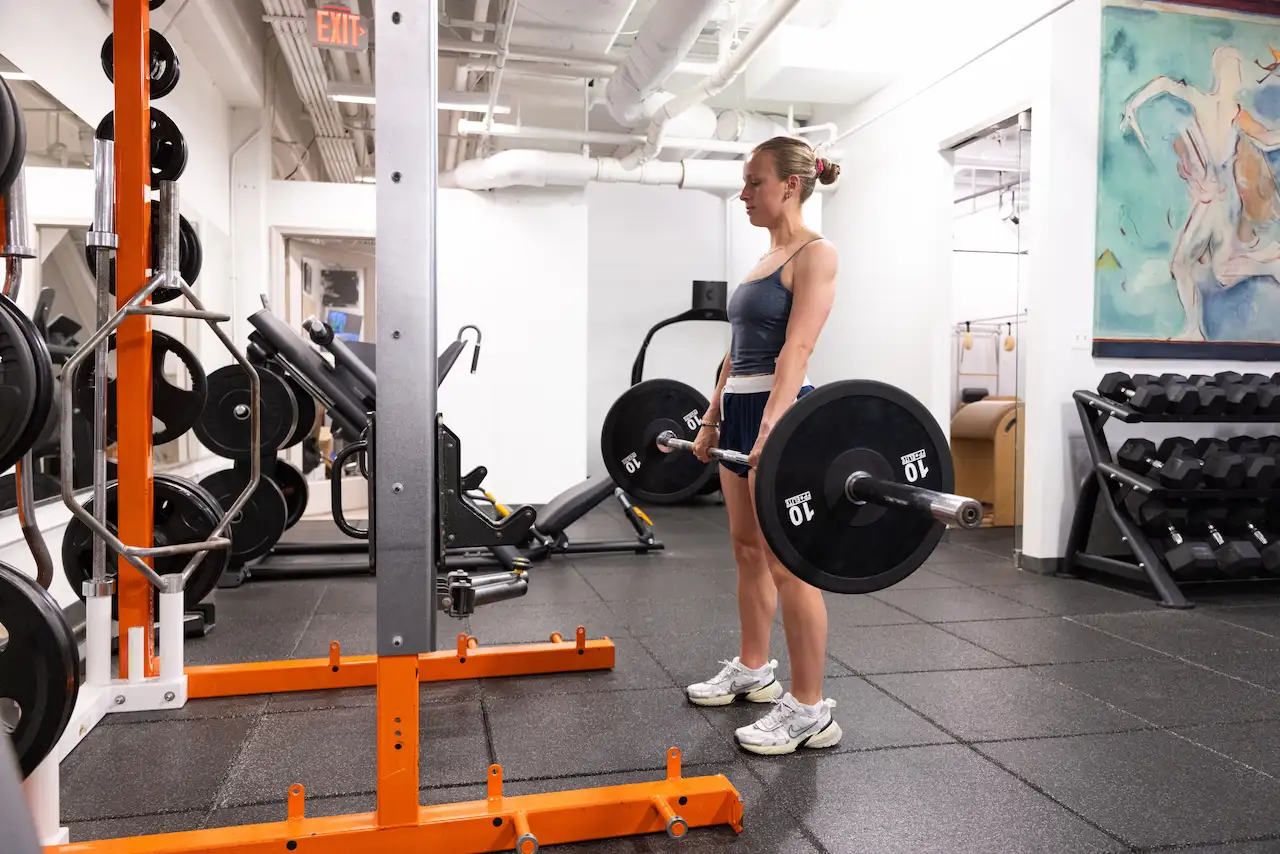
At our training centers, we see the impact of both private and semi-private training play out every day. Athletes consistently report measurable improvements across key performance areas, including:
- Strength and power
- Movement mechanics and overall athletic coordination
- Confidence and competitive mindset
- Field awareness and sport-specific skill execution
- Consistency, accountability, and training adherence
These outcomes aren’t accidental. As our coaches often say, “Training should fit the athlete, not the other way around.” That philosophy is reflected in the real experiences of our athletes and families.
Results You Can See – On and Off the Field
Our training programs have been a true game-changer for many athletes, helping them sharpen their skills, build their confidence, and perform under pressure. Our testimonials highlight firsthand accounts from athletes who’ve progressed through our programs and carried that growth onto the field.
The truth is that tailored training (whether one-on-one or in a focused small group) consistently outperforms generic, large-class formats when it comes to long-term athletic development and confidence.
Which One Is Right for Each Athlete?
There’s no single answer that fits every athlete. Instead, consider these key questions:
1. What Are Your Athlete’s Goals?
If they’re chasing highly individualized performance gains or college recruitment, private training might be the best fit. If they want focused skill growth and community accountability, semi-private training could be ideal.
2. Investment Considerations
Semi-private training can be more cost-efficient while still providing personalized coaching.
3. How Does Your Athlete Thrive?
Some athletes excel with 1:1 attention. Others benefit more from peer energy and collaboration.
4. What is Their Current Stage of Development?
Younger beginners might benefit from private sessions to learn fundamentals safely, whereas more advanced athletes might thrive better in semi-private sessions that challenge them in a dynamic setting.
Training That Meets Your Athlete Where They Are
Whether you choose private training or semi-private athletic coaching, the most important factor is that your child receives intentional, expert guidance. Our training models, which are rooted in movement quality, progressive coaching, holistic development, and confidence building, ensure that each athlete receives the support they need to grow, compete, and succeed.
Ultimately, there’s no single “best” training format for every athlete. The right choice is the one that aligns with your child’s goals, current ability, and how they’re motivated to learn and grow.
If you’re unsure, a movement assessment and conversation with an experienced coach can help clarify the best path forward.
Getting Started With Us
Ready to explore which training method is right for your athlete? Reach out to us today and let us help you design a plan that matches their potential.