Taking time away from training happens to everyone.
Whether it’s due to injury, work demands, family commitments, or simply a loss of routine, stepping back from consistent exercise is normal. The challenge isn’t the break itself – it’s how you return.
For many adults, the biggest barrier to getting back into training isn’t motivation. It is uncertainty.
“What if I push too hard?”
“What if I get hurt again?”
“Where do I even start?”
At Healthy Baller, we’ve worked with athletes at every stage – from youth players, to adults returning after months or even years away. One thing we’ve consistently seen is that the safest and most effective return to training comes down to structure, patience, and expert guidance.
In this blog, we will discuss how to re-enter training safely, what research tells us about returning after time off, and how performance training can help you rebuild strength, confidence, and long-term resilience.
Why Returning to Training Feels Challenging
After time away, your body doesn’t simply “pick up where it left off.” Periods of inactivity lead to measurable declines in:
- Muscle strength and endurance
- Joint mobility and flexibility
- Neuromuscular coordination
- Tissue tolerance to load
This process, often referred to as detraining, can begin within just a few weeks. Research shows that aerobic capacity may decline in as little as two weeks, while strength and movement efficiency begin to decrease shortly after.
This is where many adults run into trouble – trying to return to their previous level too quickly. The gap between current capacity and past expectations is one of the most common contributors to injury when restarting training.
The Goal Isn’t to “Get Back” – It’s to Rebuild
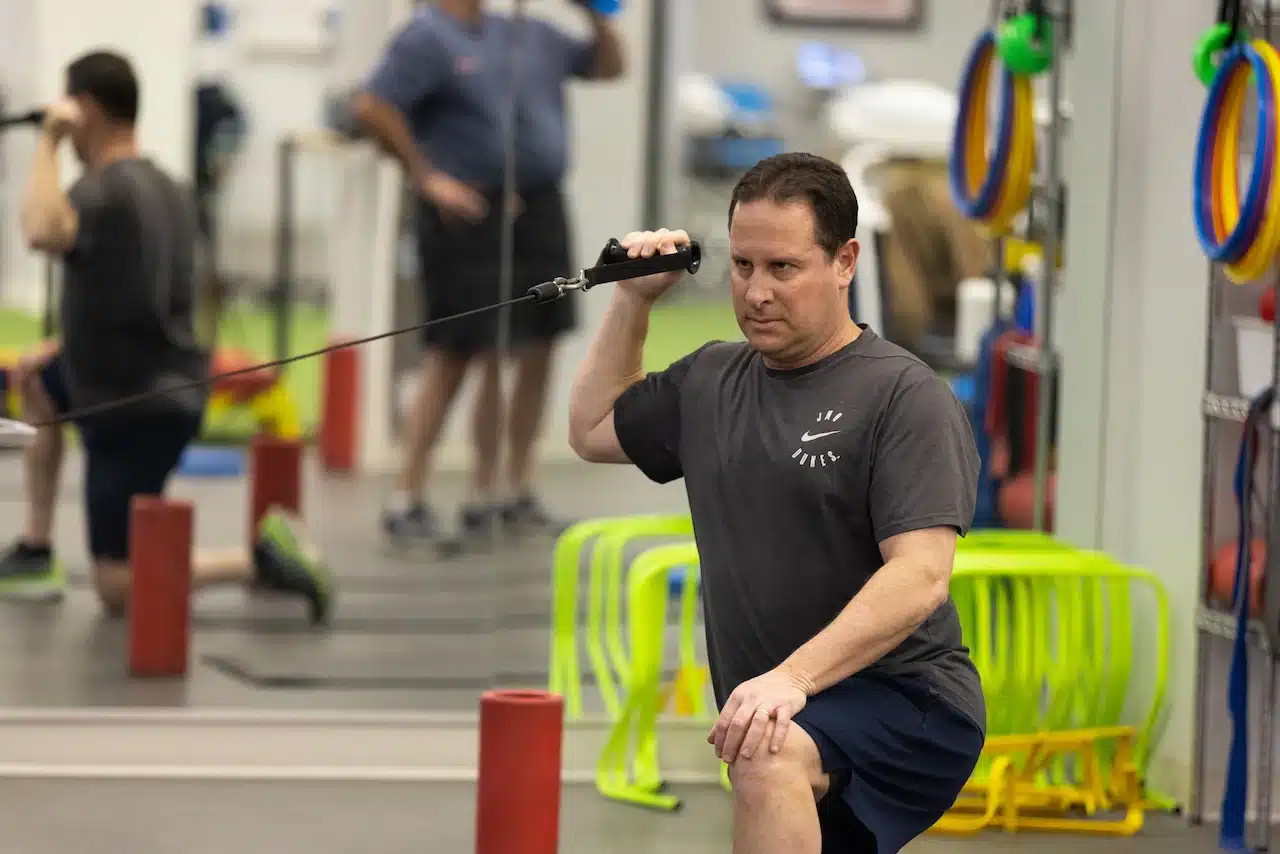
At Healthy Baller, we don’t approach a return to training as a race back to where you were. Instead, we treat it as a rebuilding phase.
That means:
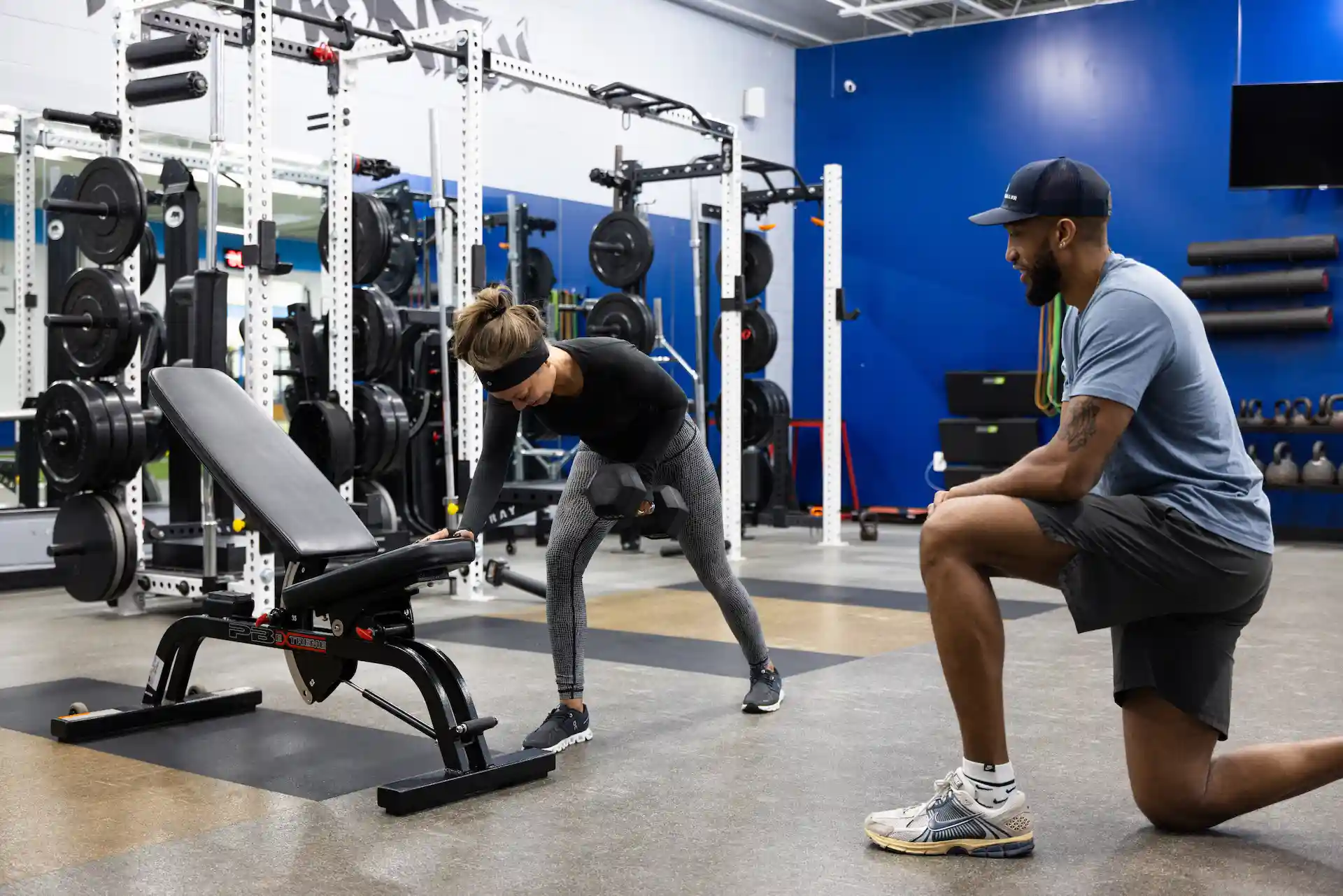
- Re-establishing movement quality
- Gradually reintroducing load
- Rebuilding coordination and control
- Developing confidence alongside strength
This shift in mindset is critical. Because the goal isn’t just to get moving again; it is to move better than before.
Start With Movement, Not Intensity
One of the most important principles when returning to training is: Movement quality comes before intensity.
Before adding weight, speed, or volume, your body needs to:
- Move through full ranges of motion
- Stabilize joints effectively
- Coordinate fundamental patterns, such as squatting, hinging, pushing, and pulling
Research in sports medicine consistently shows that inefficient movement patterns increase compensations, and place additional stress on joints and soft tissues – contributing to higher injury risk over time.
This is why we ensure that every return to training begins with understanding how the body moves today – not how it used to.
Progression Matters More Than Effort
There is a common belief that getting back into shape requires pushing hard right away. In reality, how you progress matters far more than how hard you go.
A structured progression allows the body to:
- Rebuild strength gradually
- Restore tendon and ligament resilience
- Improve neuromuscular control
- Adapt safely to increasing demands
Research shows that progressive strength training improves tissue capacity, meaning muscles and connective tissues become better able to tolerate stress over time.
Without this progression, even well-intentioned effort can lead to setbacks.
Strength Training Helps Reduce Injury Risk
For adults returning after a break, strength training is not just about performance – it’s about durability.
Studies show that structured strength training:
- Improves joint stability
- Enhances muscular balance
- Increases tissue resilience
- Supports safer movement patterns
When implemented properly, strength training helps the body better tolerate the physical demands of both sport and everyday life – contributing to a reduced risk of injury.
At Healthy Baller, strength is developed with intention. It’s not about lifting more but building a body that can handle more.
Mobility Is Essential – Not Optional
Many adults treat mobility work as something extra. In reality, it’s fundamental when returning to training.
Limited mobility can:
- Restrict movement patterns
- Increase joint stress
- Lead to compensations
- Reduce efficiency and control
When mobility is combined with strength and control, it supports:
- Better joint function
- Improved movement efficiency
- Reduced strain on vulnerable areas
This combination of mobility, control, and strength is what allows adults to return to training safely and sustainably.
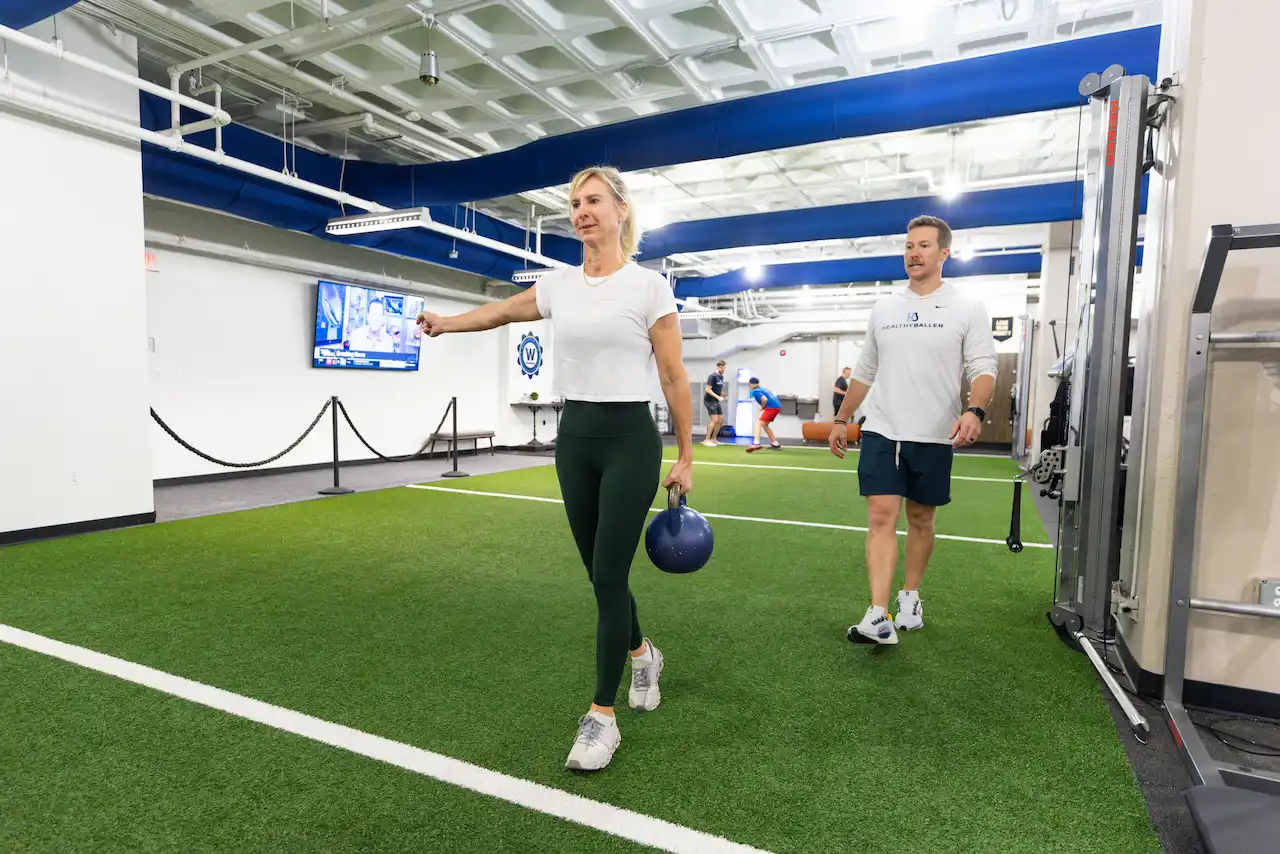
The Importance of Expert Coaching
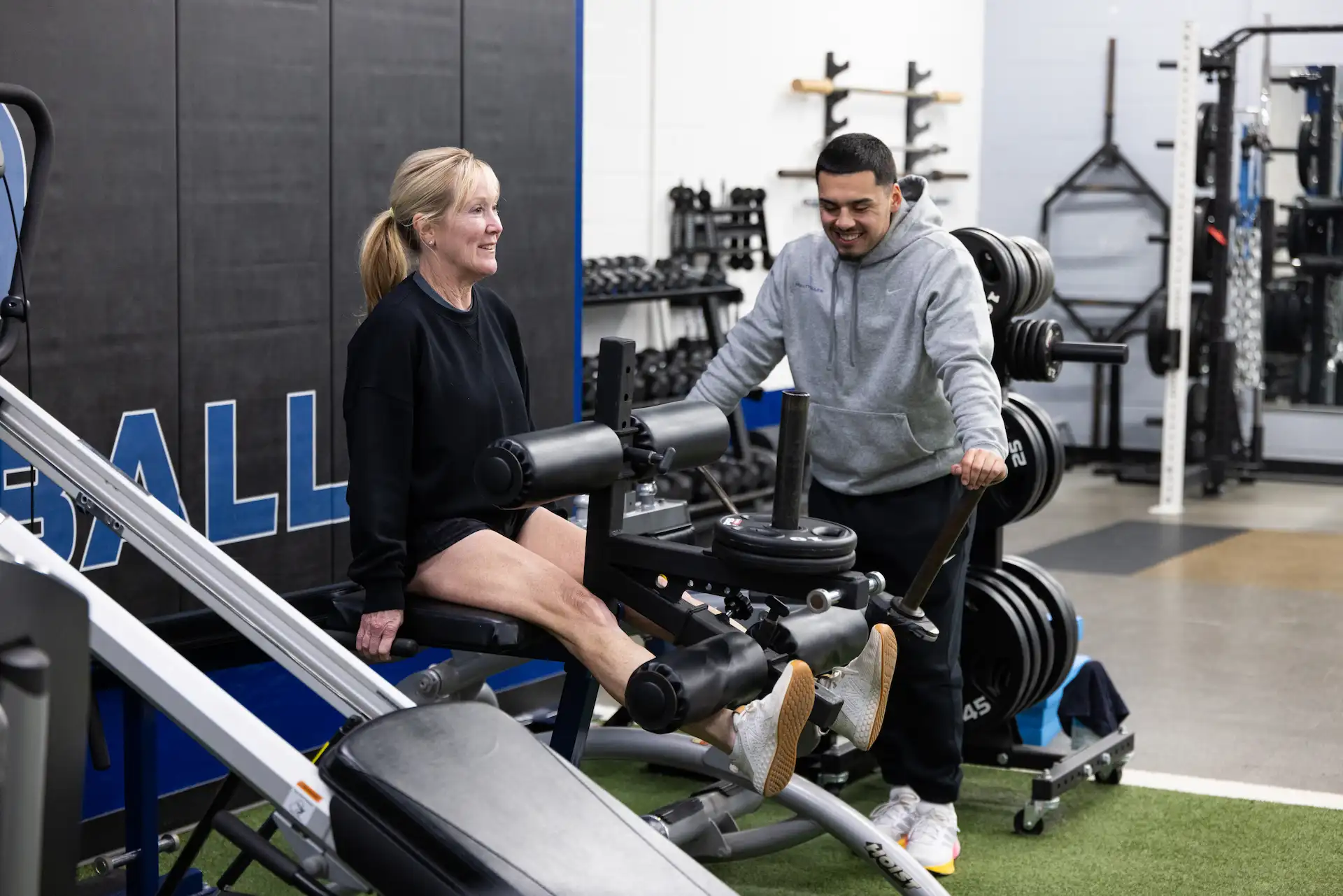
One of the biggest differences between returning on your own, and training in a coached environment, is the quality of feedback.
Without guidance, it is easy to:
- Reinforce inefficient movement patterns
- Progress too quickly
- Miss early signs of overload
At Healthy Baller, our coaches bring a unique perspective. Many come from high-level competitive and professional athletic backgrounds. They understand not just how to train, but how to train safely over time.
That experience translates into:
- Real-time movement correction
- Thoughtful progression
- Adjustments based on individual response
- A structured and supportive training environment
This is where experience matters – not just for performance, but for how safely that performance is developed.
Rebuilding Confidence Alongside Strength
Returning to training is as much mental as it is physical. After time away, many adults experience:
- Hesitation around certain movements
- Fear of reinjury
- Uncertainty about their current ability
This is completely normal. At our training centers, we prioritize building confidence alongside physical capacity. When an athlete trusts their body, they move with greater intent, train more consistently, and progress more effectively.
As we often say: “We are building athletes at any level to be next level.”
That includes adults returning after time away.
A Smarter Way to Restart Training
If you’re returning to training after a long break, a structured approach can make all the difference. Remember to:
- Start below where you think you should
- Consistency matters more than intensity early on
- Prioritize movement quality in every session
- Progress gradually over time
- Pay attention to how your body responds
These principles help create a sustainable return – one that supports long-term progress rather than short-term frustration.
Training That Supports Performance and the Body
Performance training at Healthy Baller isn’t just about improving speed, agility, and strength. It’s about preparing the body and nervous system to handle the demands of sport and everyday life – in ways that help reduce injury risk and support long-term athletic resilience.
Where Movement Quality Meets Long-Term Resilience
Research consistently supports this approach. Strength training has been shown to improve joint stability, tissue capacity, and overall resilience, helping the body better tolerate stress and reduce injury risk over time.
Structured strength training programs have been associated with significant reductions in sports-related injuries and overuse conditions. When combined with movement quality and proper progression, training becomes not just performance-enhancing – but protective.
What This Means for You
If your goal is to move with confidence, stay active, and train in a way that supports long-term health, performance training offers a purposeful and evidence-based path forward.
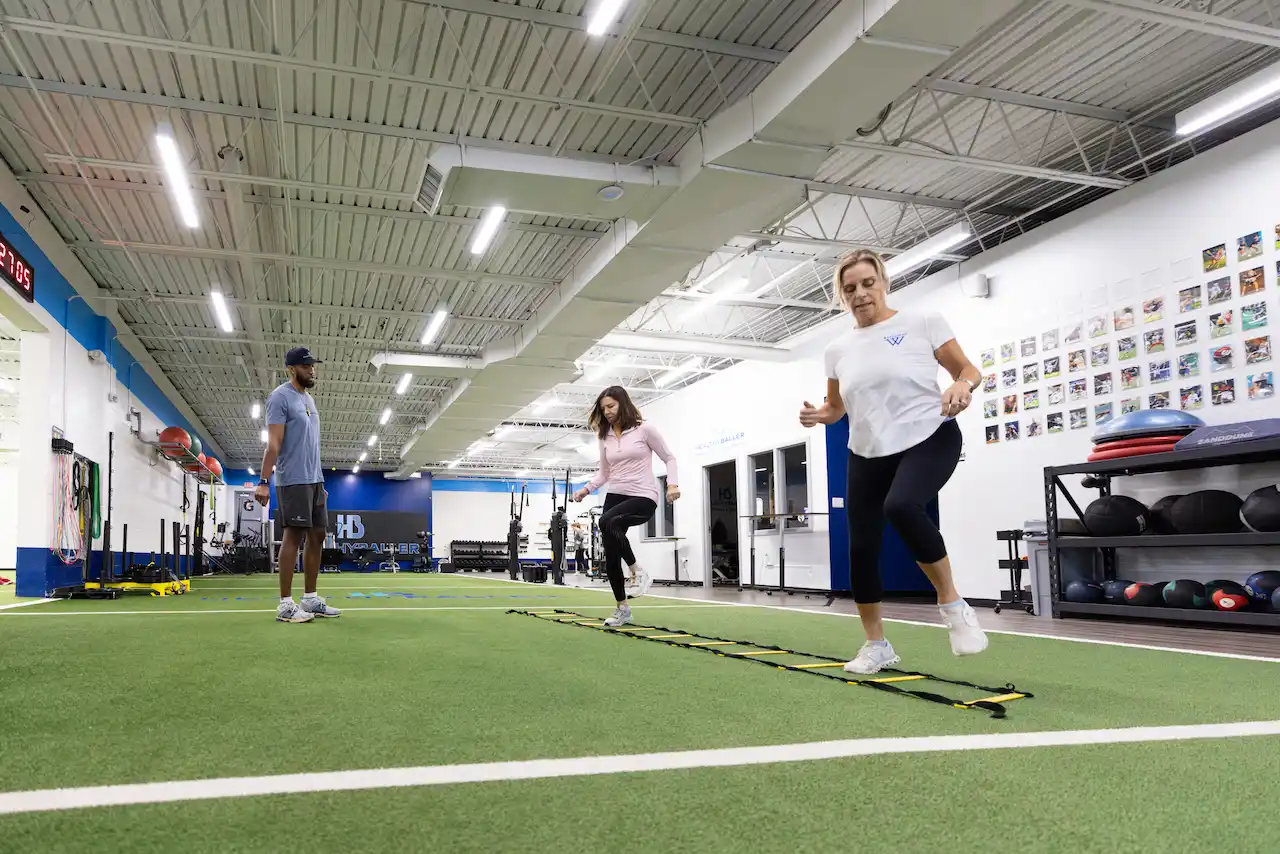
Getting Started With Us
We believe returning to training should feel structured, supported, and sustainable – not overwhelming.
If you’re ready to move better, rebuild strength, and train with expert guidance, we’re here to help.
Reach out to schedule a movement assessment, or speak with one of our friendly coaches.
We’ll meet you where you are – and help you build a body that moves well and feels even better.