For young athletes, sport is an opportunity to build confidence, resilience, athleticism, and a lifelong love of movement. However, as training demands rise and competition intensifies, injuries are an increasingly common reality in youth sports.
At Healthy Baller, we believe the conversation around injury reduction should begin long before an athlete is sidelined. Through years of coaching athletes across all ages, sports, and competitive levels, we’ve seen that the best outcomes happen when performance training and physical therapy work together.
This collaboration sits at the very core of how we approach athletic development. Our goal is not just to help athletes perform better today, but to help them move well, train intelligently, and stay active for years to come.
Why Sports Injuries Are Becoming More Common in Young Athletes
Today’s young athletes often play more frequently, compete year-round, and specialize earlier than previous generations.
While commitment and repetition significantly improve skill development, research shows that excessive training volume, incorrect movement mechanics, and insufficient recovery increase injury risk – particularly in growing athletes.
Common contributors include:
- Rapid growth and changing biomechanics
- Poor movement patterns
- Muscle imbalances
- Inadequate strength and mobility
- Repetitive stress from year-round competition
- Returning to sport too quickly after injury
We work with athletes facing these challenges every day. Through years of coaching and hands-on performance training experience, we’ve seen that the most effective way to reduce injury risk is by preparing the body proactively – not waiting to address problems after they arise.
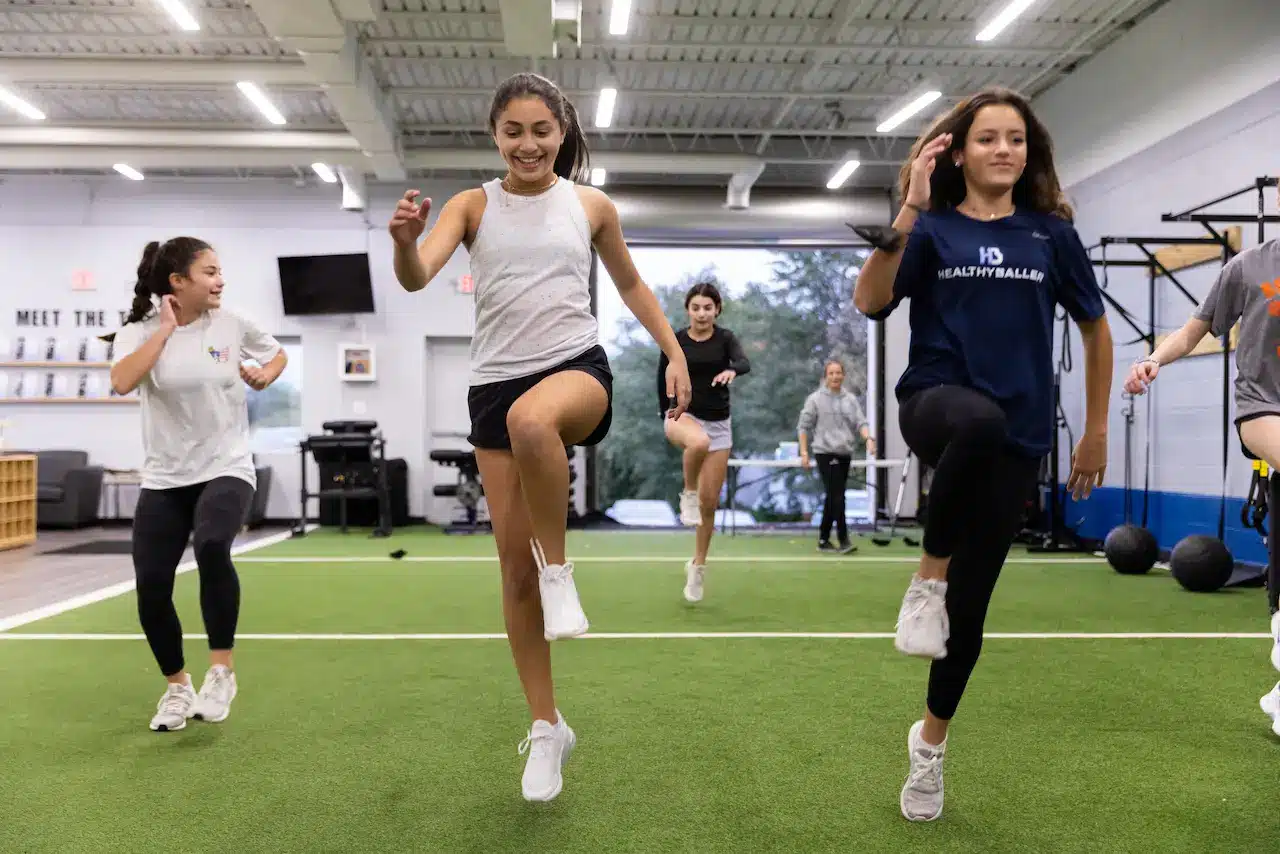
Performance Training Is About More Than Performance
Many people hear the phrase performance training and immediately associate it with speed, power, or explosiveness. While those qualities are certainly important, effective performance training is equally centered on:
- Movement quality
- Mobility
- Strength balance
- Coordination and body control
- Recovery and load management
At its core, performance training prioritizes movement quality before increasing intensity. Studies continue to show that poor mechanics and compensatory movement patterns place additional stress on joints and soft tissues over time, increasing injury risk.
Performance training helps identify and improve these patterns early – before they develop into more serious issues.
Building Strong Movement Foundations Early
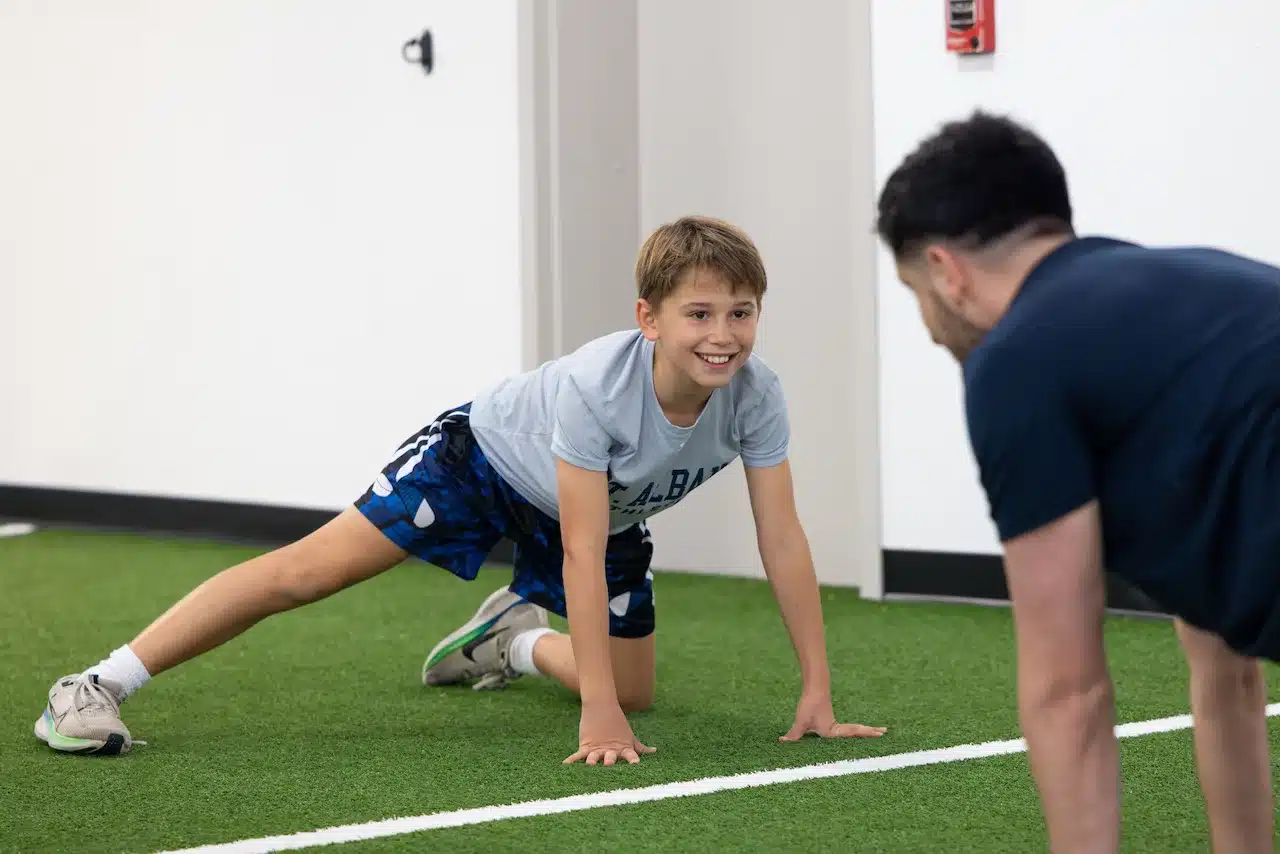
One of the most important – and often overlooked – aspects of youth training is teaching athletes how to move efficiently before increasing intensity or workload.
Our performance training programs place a strong emphasis on:
- Squatting mechanics
- Landing mechanics
- Deceleration and change of direction
- Rotational control
- Stability and coordination
This is especially important for middle school and high school athletes, whose bodies are constantly adapting during growth spurts. Research from the National Strength and Conditioning Association (NSCA) and youth athletic development experts consistently demonstrate that improving movement competency early, supports both long-term performance and reduced injury risk over time.
Strength Training Helps Build More Resilient Athletes
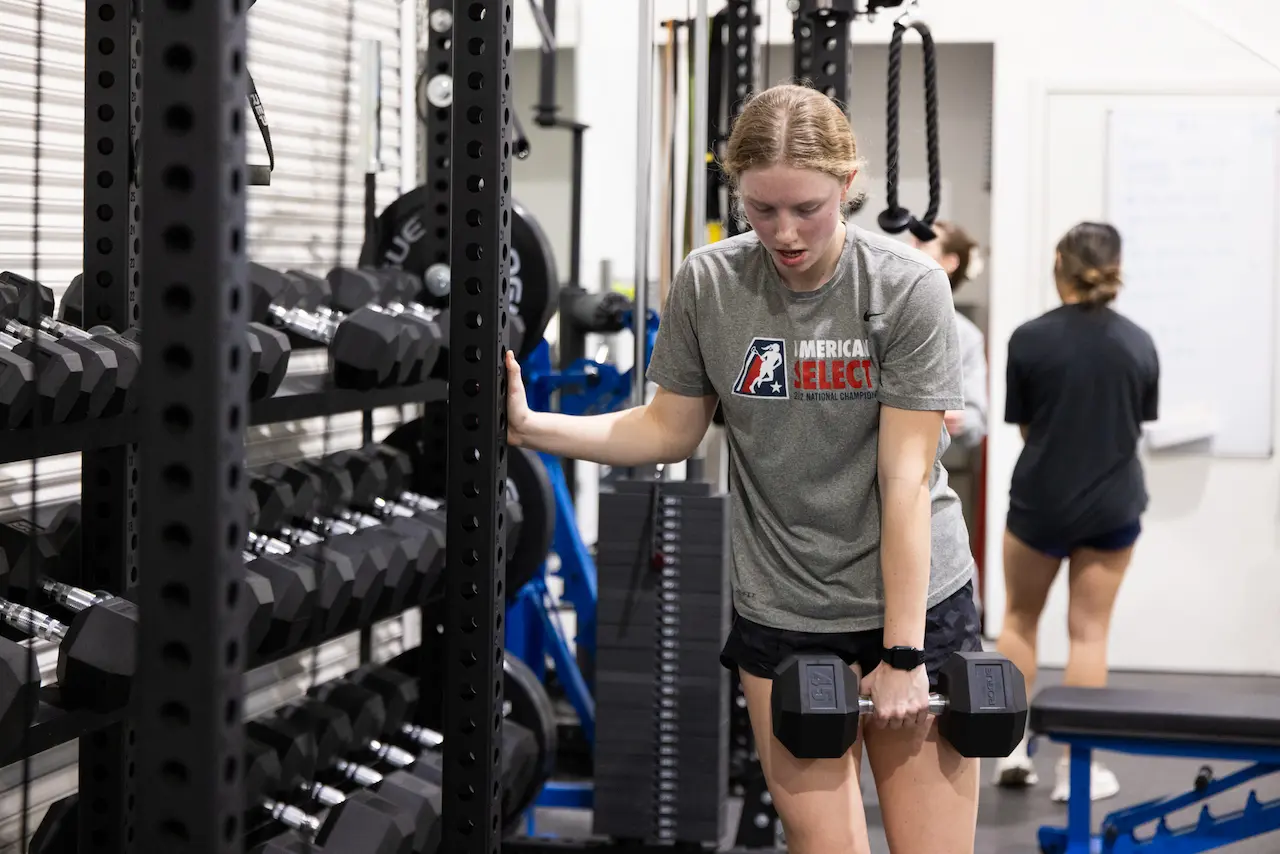
Strength training is often misunderstood in youth sports, but when introduced appropriately and supervised correctly, it can play an important role in reducing injury risk and supporting long-term athletic development.
When introduced progressively, effective strength training can support several important aspects of athletic development, including:
- Improve joint stability
- Enhance muscular balance
- Build tissue resilience
- Support safer force absorption and production
Studies have also linked structured strength training programs to reductions in sports-related injuries and overuse conditions over time. That is why we always approach strength training progressively and intentionally. Our coaches never rush athletes into advanced movements or heavier loads before they’ve built the necessary movement quality and control.
Instead, we focus on developing:
- Foundational movement mechanics
- Progressive strength
- Stability under movement
- Confidence in the athlete’s body and abilities
This approach helps create stronger, more resilient athletes while supporting sustainable, long-term development rather than short-term burnout.
Why the Collaboration Between Physical Therapy and Performance Training Matters
One of the things that sets us apart is the close collaboration between our physical therapy and performance training teams. Rather than treating rehabilitation and athletic development as completely separate processes, we view them as part of the same long-term journey toward stronger, healthier movement.
Too often, athletes finish physical therapy in one environment, only to return to training somewhere else with little communication or continuity between the two.
At Healthy Baller, that gap is intentionally bridged. Our performance coaches and physical therapists work closely together throughout the return-to-play process to ensure athletes transition safely and effectively back into training and competition.
Returning to Sport Requires More Than Being Pain-Free
This collaboration matters because reducing injury risk doesn’t stop once pain subsides or an athlete is medically cleared. Athletes still need to:
- Restore movement quality
- Rebuild strength and confidence
- Gradually reintroduce sport-specific demands
- Learn how to tolerate load safely again
By combining the expertise of both PT and performance training, we help athletes prepare not just to return to sport – but to move, perform, and compete with greater confidence and long-term resilience.
When athletes feel physically prepared and supported throughout the return-to-play process, confidence tends to follow naturally.
Recovery Is a Critical Part of Performance
A common misconception in sports is that more training always leads to better results. In reality, athletes improve not just through training itself, but through how well the body recovers and adapts afterward.
Without adequate recovery, fatigue accumulates, movement quality declines, and the likelihood of overuse injuries increases.
Recovery supports:
- Tissue repair and adaptation
- Nervous system regulation
- Movement efficiency and coordination
- Long-term athletic development
At Healthy Baller, we help athletes and families understand the importance of:
- Appropriate training progression
- Rest and recovery strategies
- Managing training intensity
- Recognizing signs of fatigue and overload
Because long-term athletic development isn’t built through constant intensity alone, but through balancing training stress with proper recovery and sustainable progression.
Confidence Plays an Important Role in Injury Reduction
Reducing injury risk isn’t only physical – confidence and mindset matter too. Athletes who trust their body, feel physically prepared, and perform confidently under pressure often move more efficiently than those training with hesitation or uncertainty.
This is one of the reasons our coaches place such a strong emphasis on:
- Strong coaching relationships
- Confidence-building through progression
- Supportive training environments
- Helping athletes develop trust in their movement
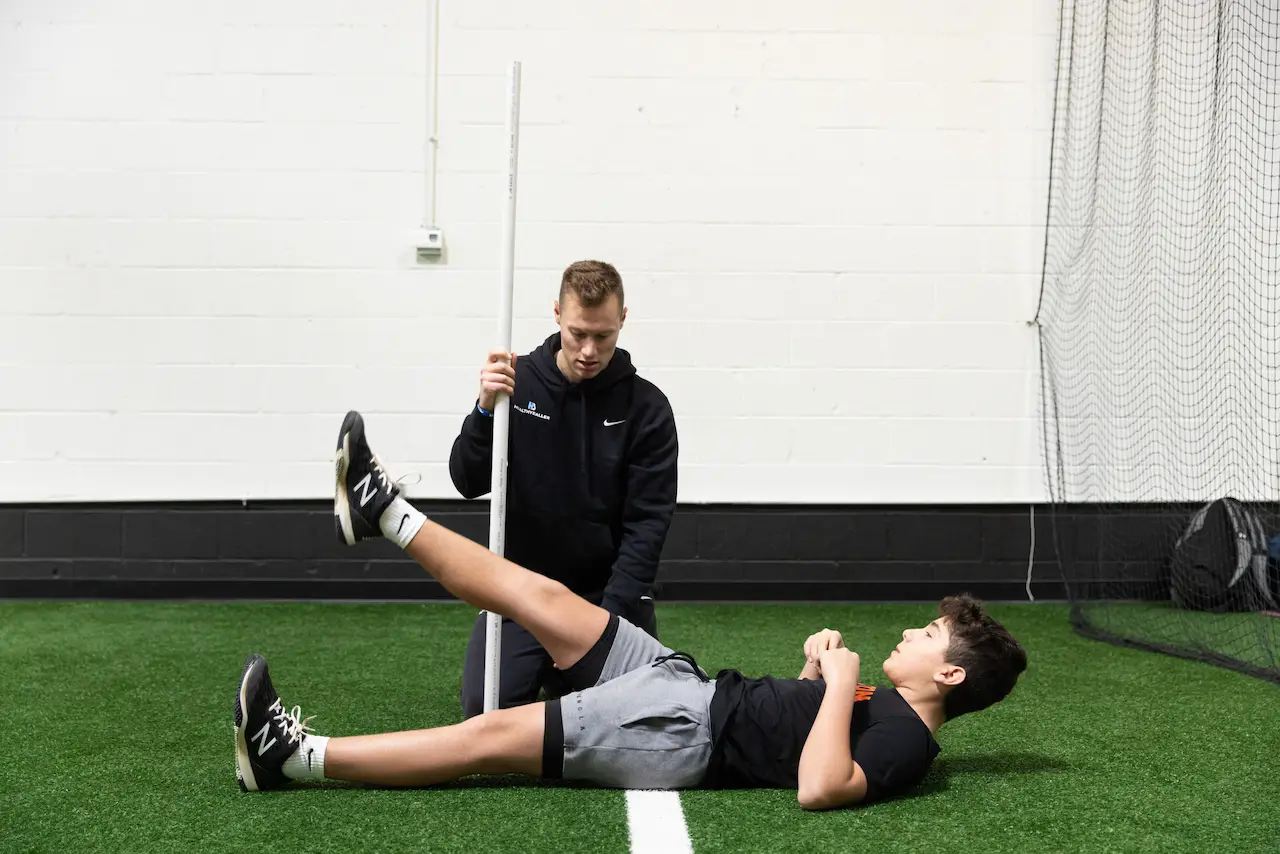
Performance Training That Supports Long-Term Athletic Development
Ultimately, reducing sports injuries isn’t about avoiding challenges. It’s about preparing athletes appropriately for the challenges they face.
Our approach is centered around:
- Movement-first coaching
- Progressive strength development
- Collaboration between physical therapy and performance training
- Individualized programming
- Recovery-focused training strategies
- Experienced coaching and real-time feedback
Many of our coaches come from competitive athletic backgrounds and understand firsthand the physical and mental demands athletes face throughout their careers. That experience shapes how we guide young athletes – not just to perform better, but to move more efficiently, train more intelligently, and develop long-term resilience.
Whether you are an athlete just beginning to learn movement fundamentals or managing the demands of high school competition, our focus remains the same: helping athletes move better, train smarter, and stay healthier for the long run.
Getting Started With Us
Whether you’re an athlete returning from injury, preparing for a competitive season, or simply looking to move and train more effectively, our PT and performance teams are here to help.
Reach out to schedule a movement assessment with us today, or speak with one of our friendly coaches to discuss the right training approach for you.