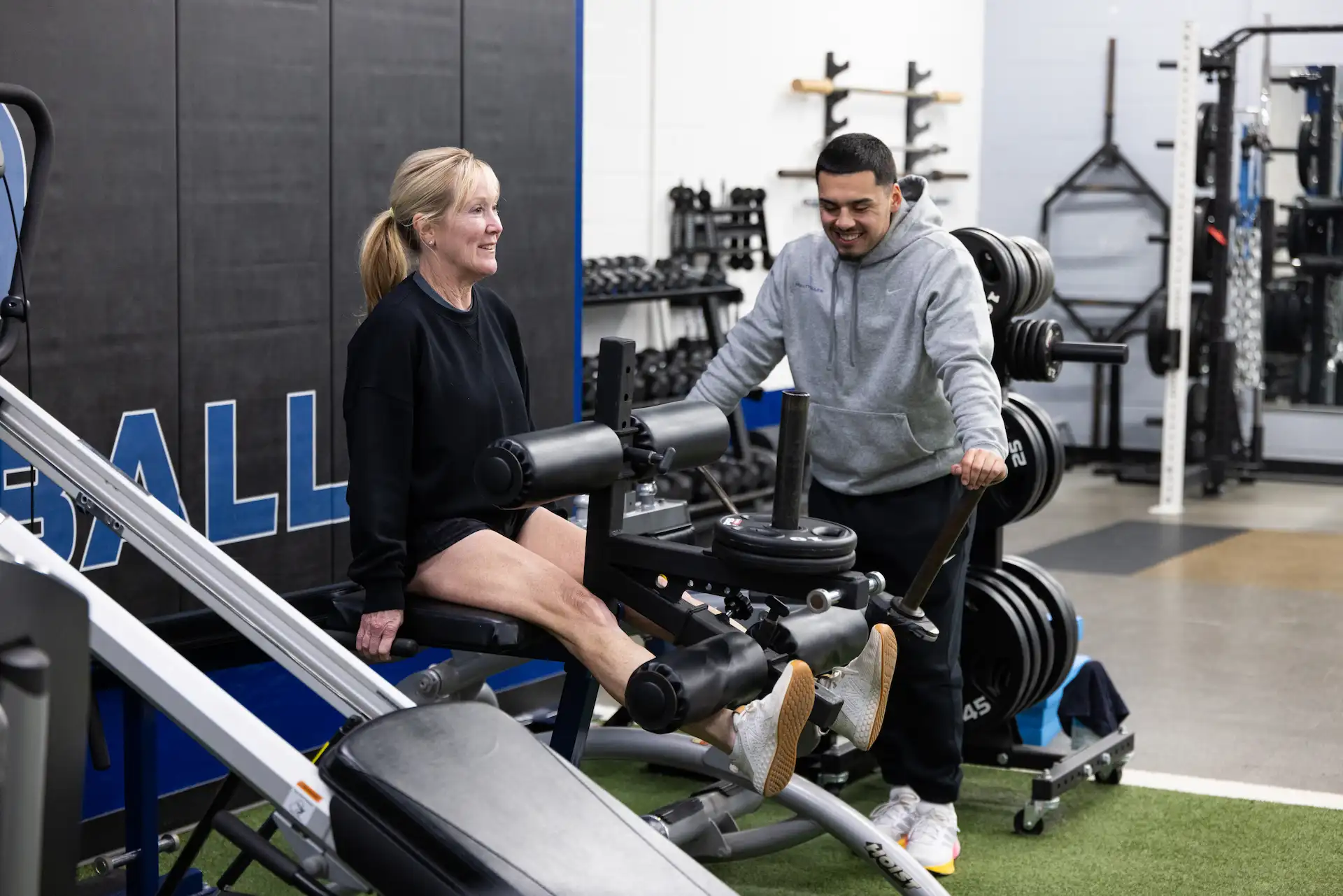
For many adults, ‘fitness’ has traditionally meant staying active, breaking a sweat, or maintaining general health. Performance training, on the other hand, is often seen as something reserved for young athletes, college prospects, or professionals.
That distinction no longer holds up.
At Healthy Baller, we work with athletes of all ages and backgrounds – including adults who want to move better, feel stronger, and perform at a higher level in everyday life. More and more adults are realizing that traditional fitness alone doesn’t always support how their body actually needs to move, recover, and adapt over time.
This blog explores the difference between adult fitness and performance training, explains who each approach is best suited for, and helps you determine which path aligns with your current goals – whether you’re just getting started or looking to level up how you train.
Understanding the Difference: Fitness vs. Performance Training
While both approaches involve movement and exercise, their intent is very different.
What Traditional Adult Fitness Focuses On
Traditional fitness programs are typically designed to keep people active and improve general health. They often prioritize cardiovascular conditioning, basic strength work, calorie burn, and consistency.
For adults who are new to training, returning after time away, or looking to establish a routine, this type of fitness can be a valuable starting point. It builds habits, improves baseline conditioning, and helps people reconnect with movement.
However, many adults eventually reach a point where fitness alone no longer addresses how their body feels or performs.
Where Fitness Can Start to Feel Limiting
As adults progress – or as life adds more physical demands – common challenges emerge. Stiffness increases. Old injuries resurface. Strength feels less transferable to real life. Progress plateaus.
That’s because most general fitness programs are not designed to account for:
- Individual movement patterns
- Mobility limitations
- Past injuries or compensations
- Sport or lifestyle-specific demands
This is where performance training becomes relevant – not as a replacement for fitness, but as a more intentional evolution of it.
What Performance Training Means for Adults
Performance training for adults is not about training like an elite athlete. It’s about training with intention.
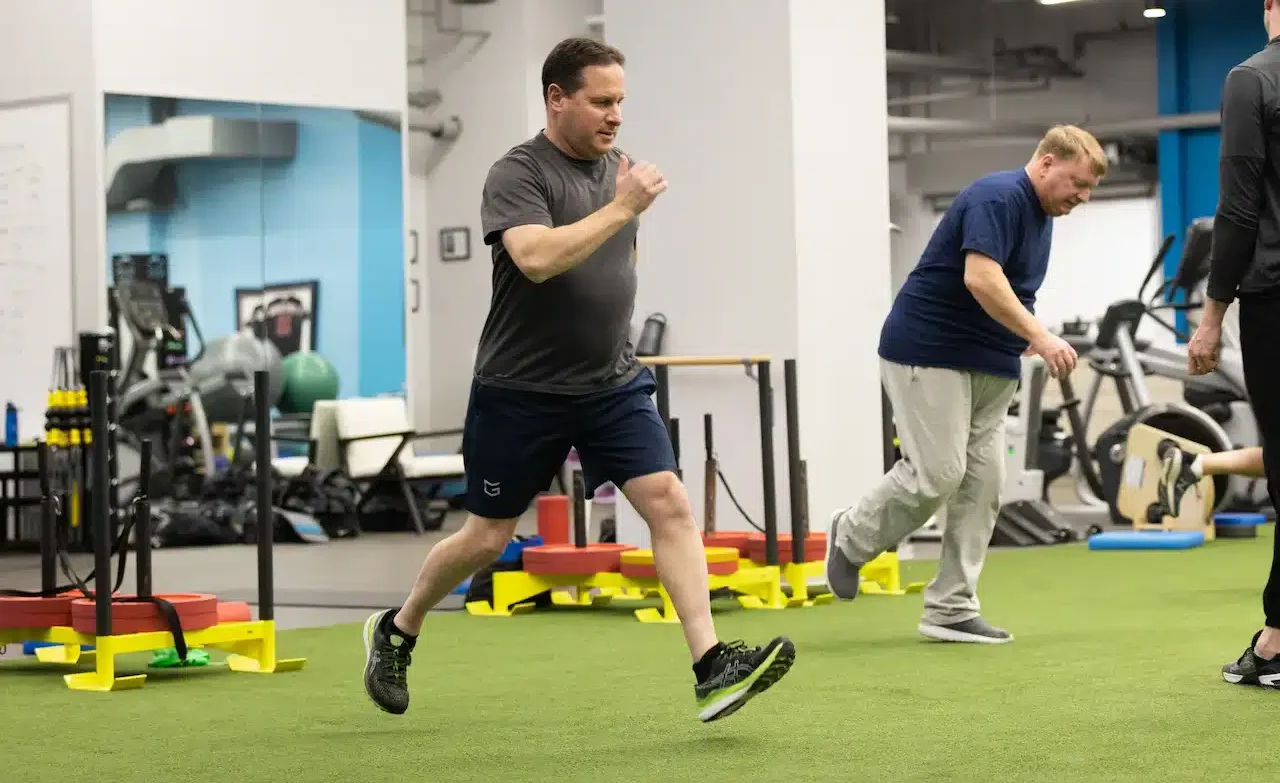
At Healthy Baller, adult performance training is built around how your body moves, adapts, and performs under real-world demands – whether that’s playing recreational sports, staying active with your family, or simply moving through life with confidence.
Rather than asking, ‘How hard can you push today?’, performance training asks:
- How well do you move?
- How strong are you through key positions?
- How resilient is your body under load and fatigue?
- How prepared are you for what your life actually demands?
This shift in focus is why performance training resonates with adults at every stage.
Performance Training Is Not Age-Dependent
One of the biggest misconceptions we encounter is that performance training is only for younger or competitive athletes.
In reality, adults often benefit more from performance-based training because:
- Movement compensations accumulate over time
- Mobility naturally declines without intentional work
- Strength becomes essential for independence and longevity
- Injury limitation matters more as recovery time increases
Performance training adapts to the athlete – not the other way around. This philosophy sits at the core of how we coach at Healthy Baller.
How Adult Performance Training Works at Healthy Baller
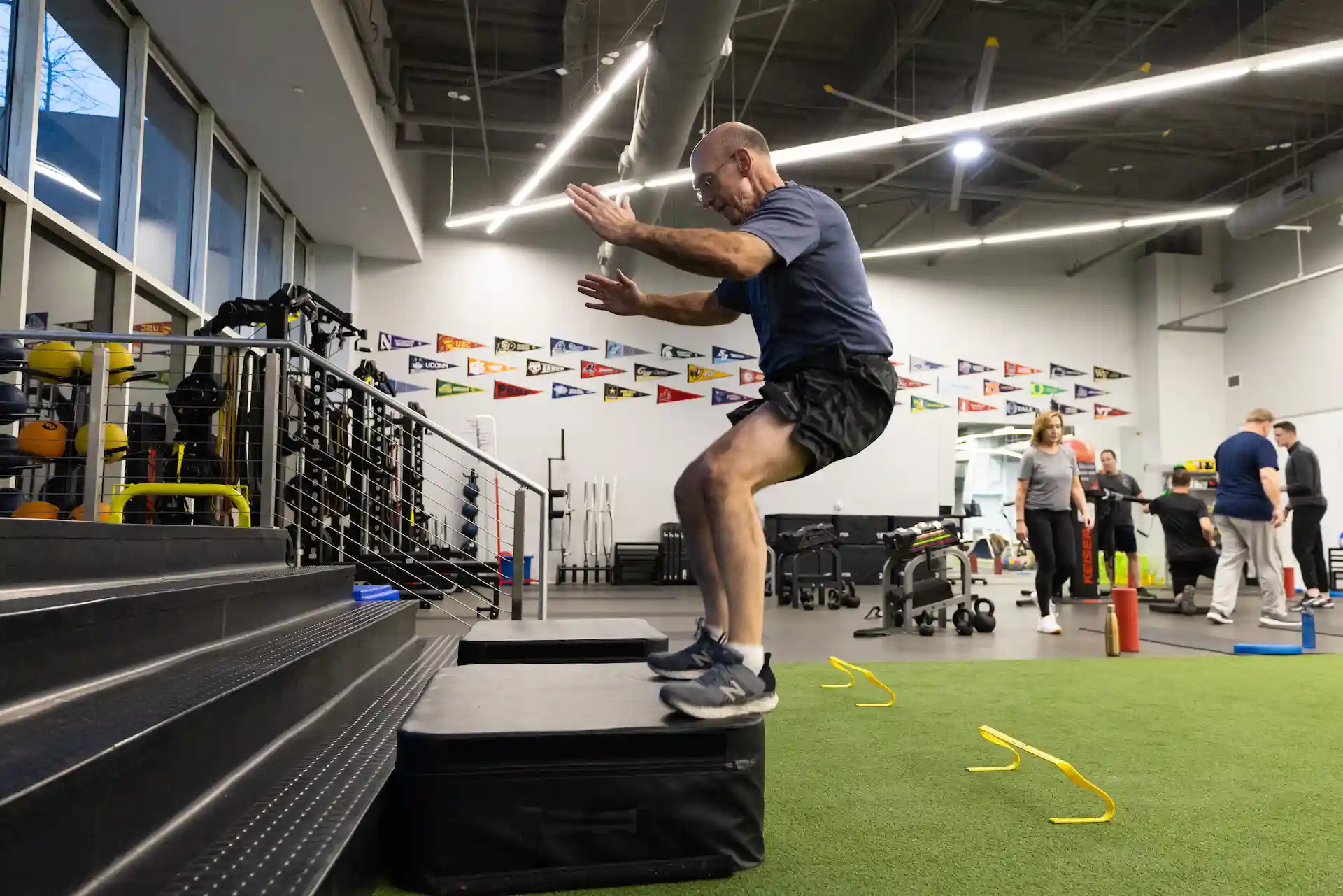
While our training centers are widely recognized for youth and athletic development, our adult programs are built on the same principles that guide every athlete we work with.
1. Movement Comes First
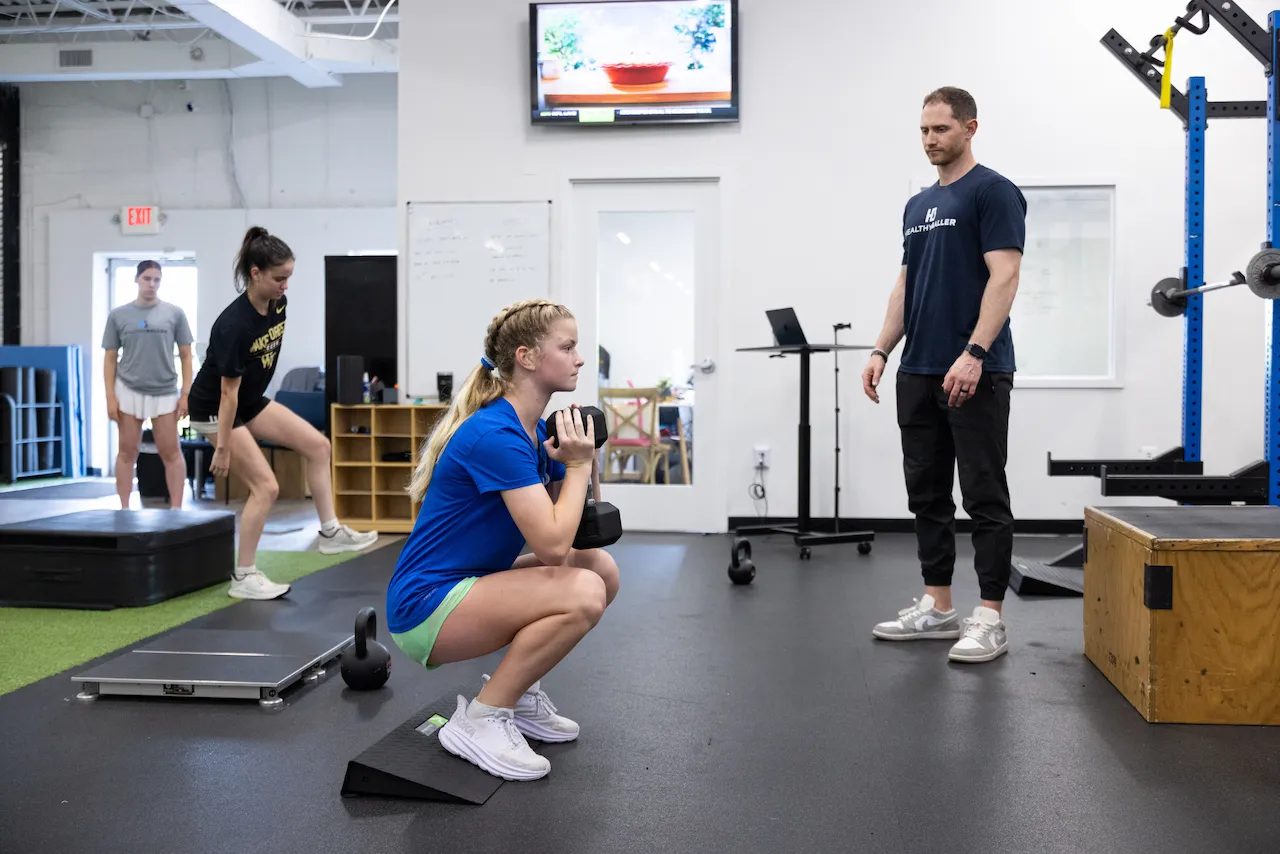
Every adult begins with an understanding of how their body currently moves. Rather than jumping straight into workouts, we look at mobility, stability, posture, and control through foundational movement patterns.
This ensures training meets you where you are – not where a generic program assumes you should be.
2. Strength That Transfers to Life
Performance training prioritizes functional strength — the kind that carries into daily tasks, sport, and long-term health. Instead of isolating muscles for aesthetics alone, we build strength through movements that reflect how the body actually works.
This approach supports everything from lifting and carrying to running, changing direction, and reacting under load.
3. Mobility as a Training Priority
Mobility isn’t treated as an afterthought. It’s a core part of adult performance training.
Healthy hips, shoulders, ankles, and a mobile spine allow strength to be expressed safely and efficiently. Improved mobility also reduces stress on joints and helps prevent the aches and limitations many adults accept as ‘normal.’
4. Progression That’s Sustainable
Progress in performance training is intentional. Load, complexity, and intensity increase gradually, allowing the body to adapt without unnecessary breakdown.
For adults, this matters. Sustainable progress builds confidence, consistency, and long-term results – not short-lived peaks followed by setbacks.
5. A Holistic Approach to Training
Performance training shouldn’t exist in isolation. We consider recovery, sleep, lifestyle demands, and mindset as part of the training process.
Adults see better outcomes when training supports the full picture – not just what happens during a session.
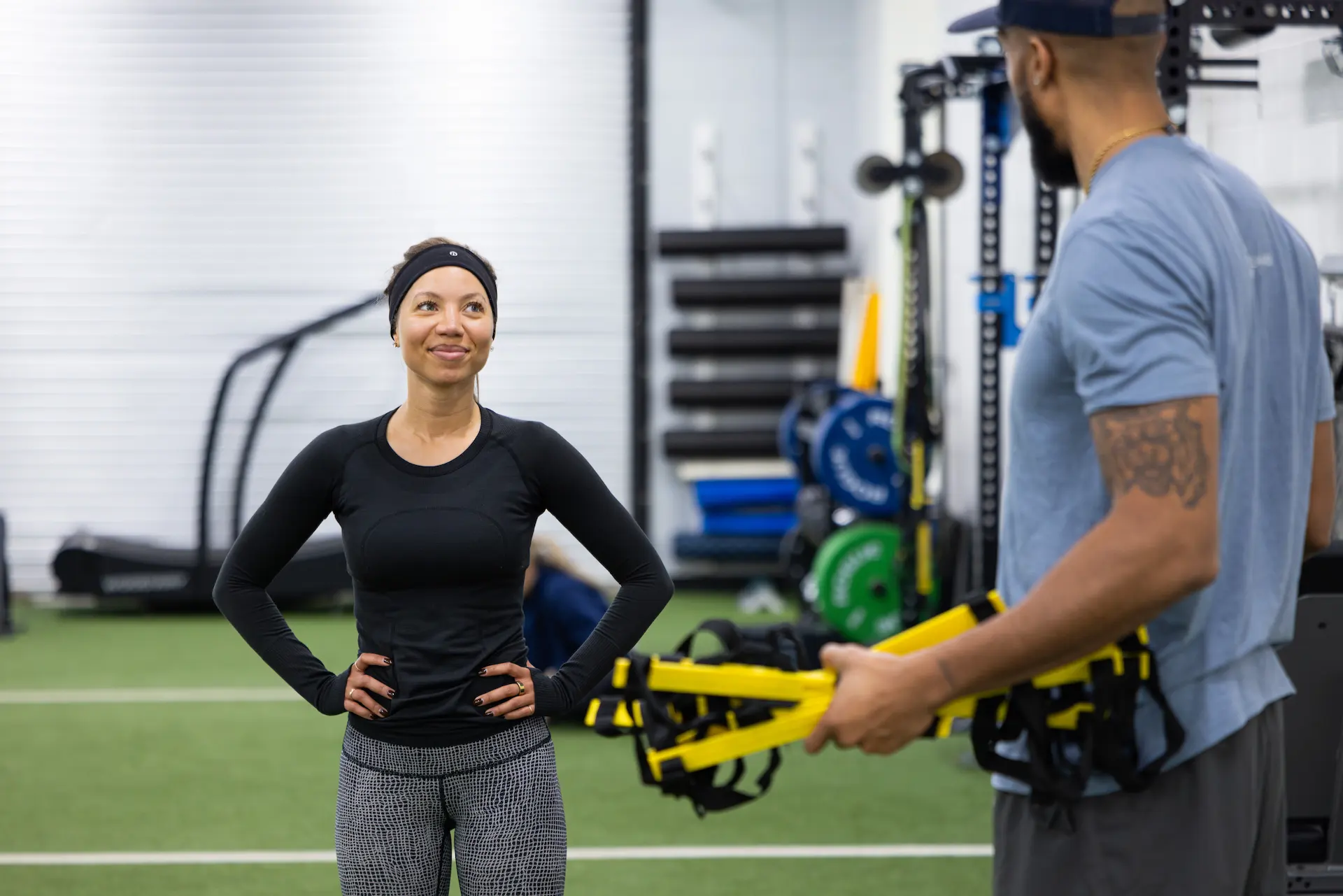
Fitness vs. Performance: Which Is Right for You?
Rather than thinking in terms of ‘either/or,’ it’s helpful to think in terms of where you are right now.
Fitness Training May Be the Right Starting Point If You:
- Are new to structured training
- Want to build general activity and consistency
- Prefer simple routines and group environments
- Are reintroducing movement into your life
Performance Training Is Often a Better Fit If You:
- Want to move better, not just exercise
- Play recreational or competitive sports
- Are managing stiffness, old injuries, or limitations
- Want strength that carries into daily life
- Care about longevity, confidence, and resilience
Many adults start with fitness and naturally progress into performance training as their goals evolve.
Why More Adults Are Choosing Performance Training
We’re seeing a clear shift in how adults approach training. Rather than chasing exhaustion, more people are prioritizing:
- Movement confidence
- Joint health and mobility
- Athleticism at any age
- Long-term physical independence
Performance training supports all of these outcomes. It gives adults a framework to train with purpose – and a clear path forward as their body changes over time.
The Healthy Baller Difference for Adults
With us, adults are not treated as an afterthought or a separate category. Our adult athletes train in an environment built on:
- Expert coaching with real athletic experience
- Individualized programming
- A movement-first philosophy
- Accountability and support
- Confidence-building at every stage
Whether you’re new to training or ready to move beyond traditional fitness routines, you’re coached like an athlete – because you are one.
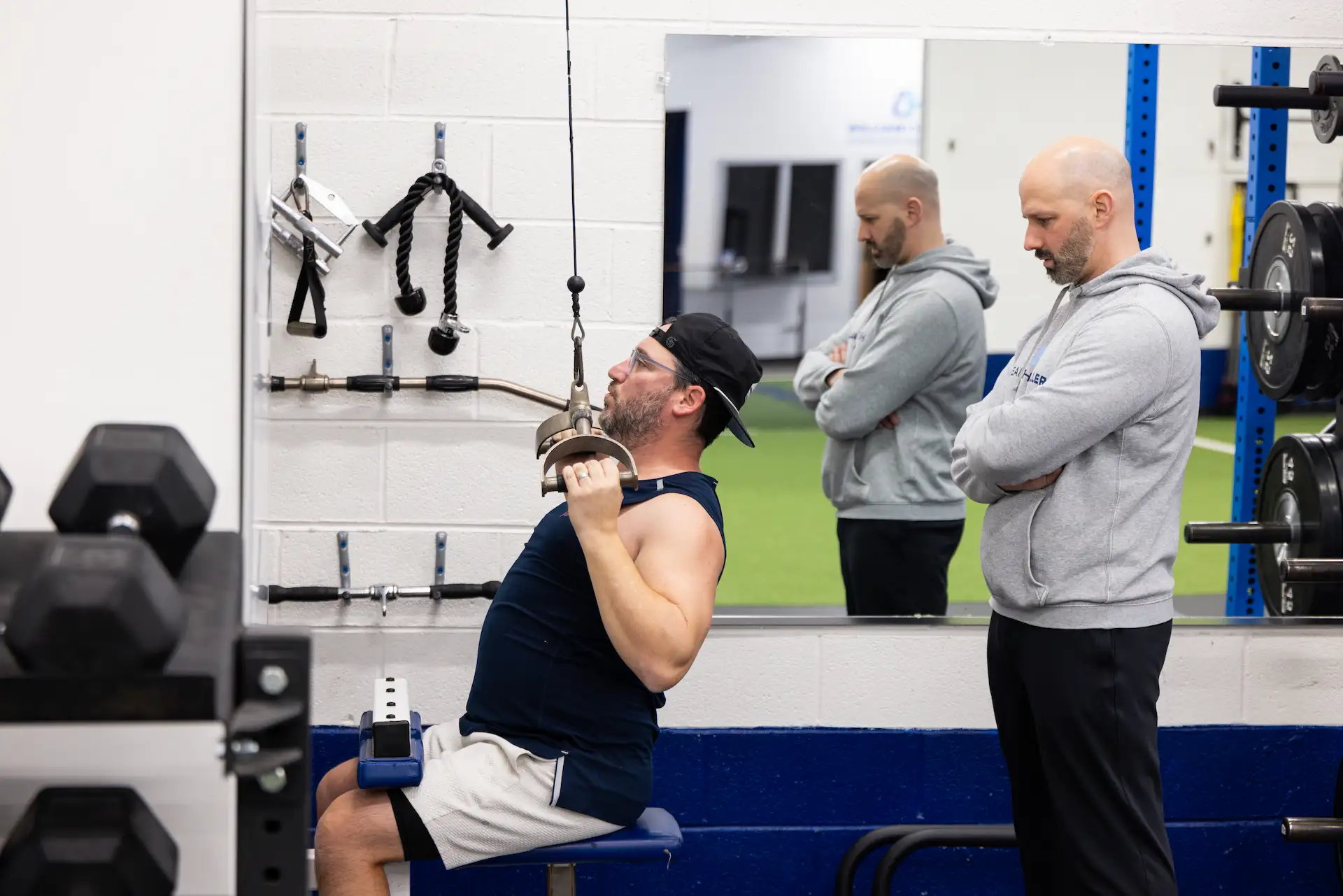
So… Fitness or Performance Training?
In short, fitness keeps you active, but performance training helps you perform – in sport, in work, and in everyday life.
The right choice depends on your goals, your history, and how you want your body to function long-term. For many adults, performance training becomes the natural next step once they realize training isn’t just about staying busy – it’s about staying capable.
Performance Is a Lifelong Pursuit
Performance training isn’t something you outgrow. It’s something you grow into.
We believe performance and mobility are lifelong pursuits. Whether you’re just getting started or ready to train with greater intention, we’ll meet you where you are and help you build strength, movement, and confidence that lasts.